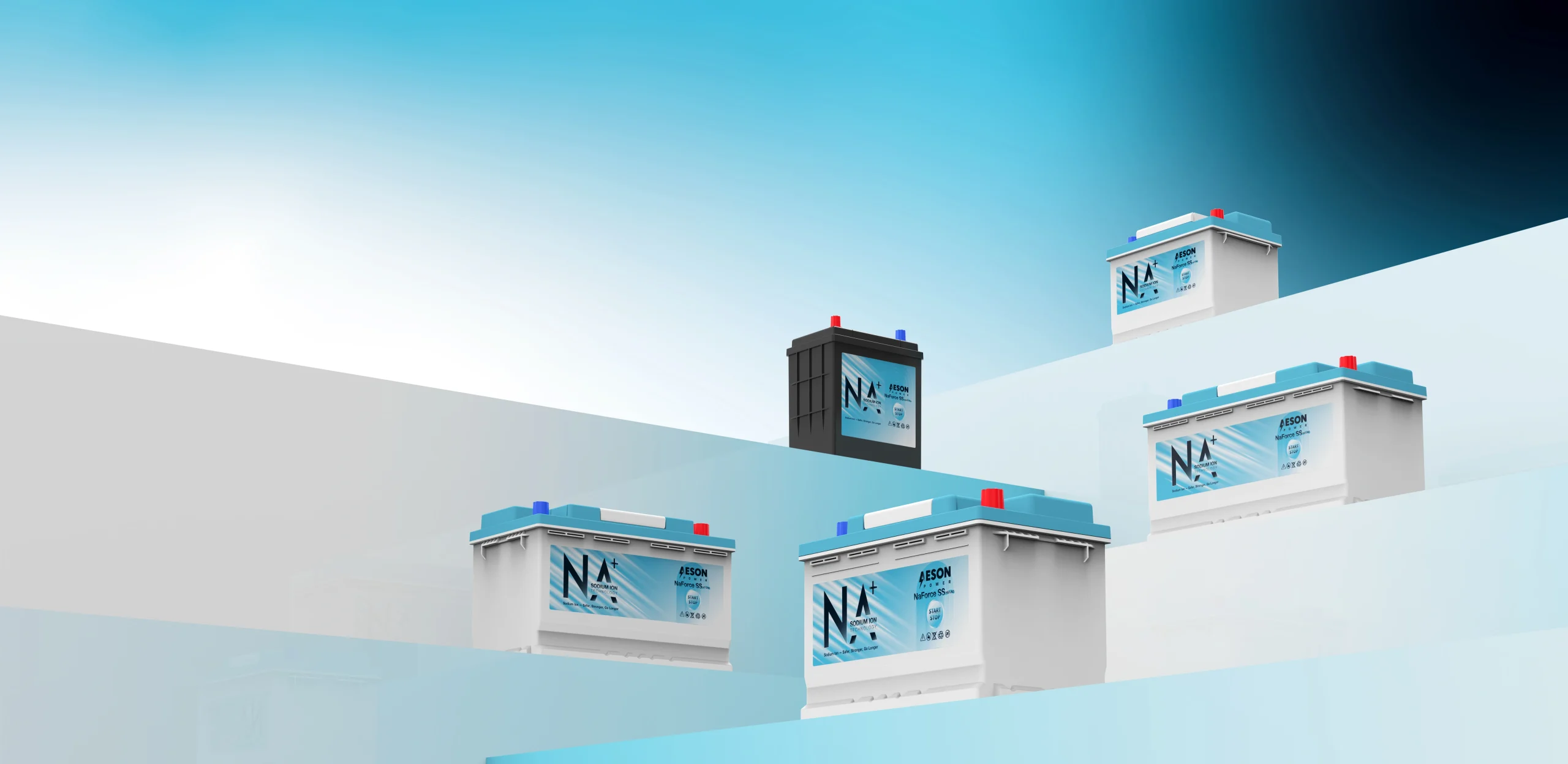
Selecting Sodium Ion Car Battery: What Project Teams Need to Confirm: For Clearer Procurement Questions
Early research for a sodium ion car battery should begin with a documented operating context rather than a broad comparison of battery technologies. A technical buyer needs to record the vehicle or equipment role, nominal voltage, physical space, electrical interfaces, starting demands, duty pattern, environmental exposure, maintenance expectations, and the people responsible for approval. This creates a defined question for the supplier and prevents a category description from being treated as proof of fit for a particular installation.
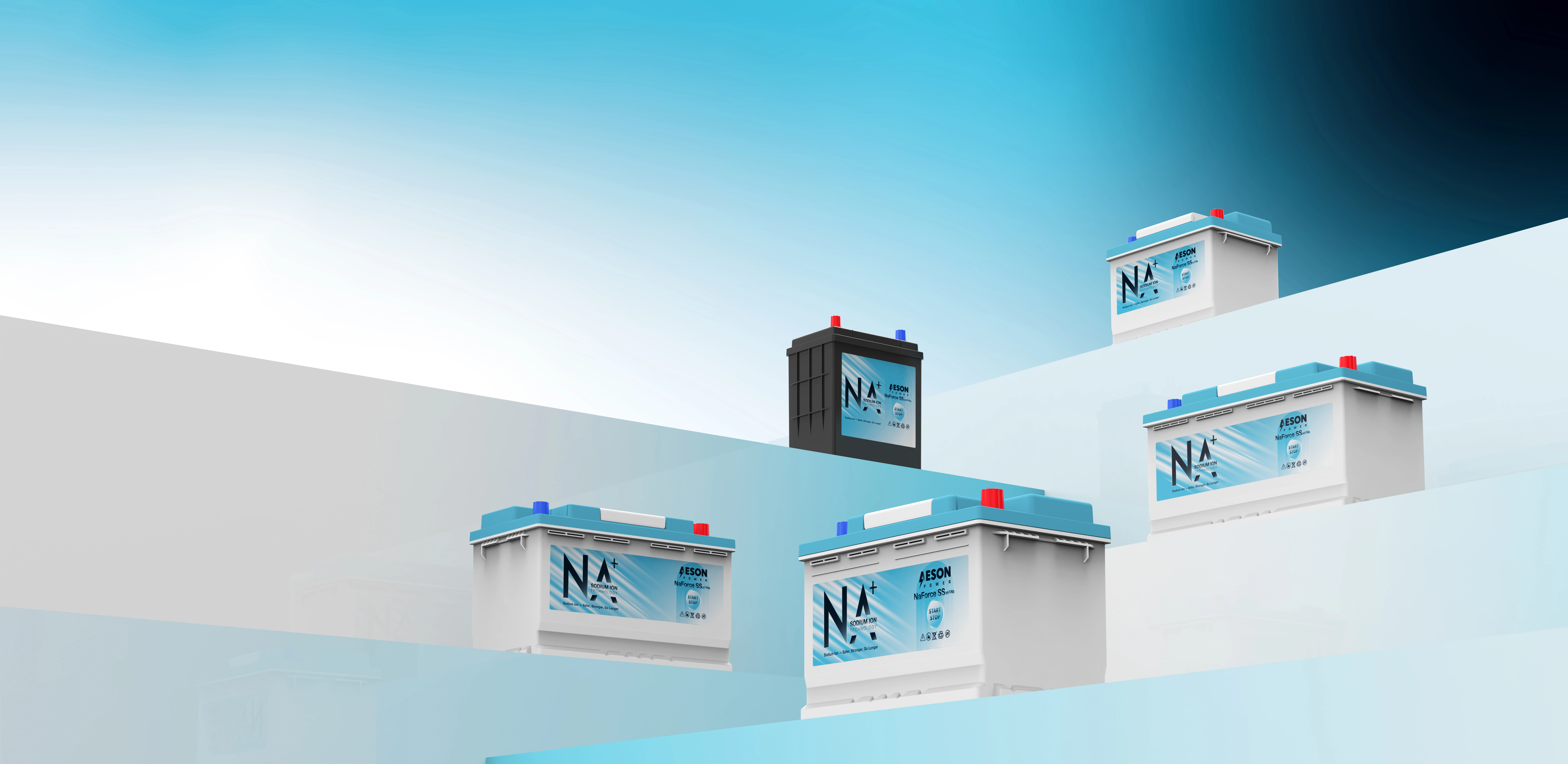
Describe the operating context before comparing products
The first useful document is a short application brief. It can identify whether the battery is intended for a passenger vehicle, a commercial fleet, auxiliary equipment, or another starting application. It should also distinguish routine starting from repeated cycling, extended periods of storage, and operation in conditions where vibration may matter. These distinctions affect which evidence is relevant. A statement about cycle life, for example, should not automatically be used as evidence about cranking performance, vehicle integration, or total service life.
Record measurable requirements separately from assumptions. The requirement list might include voltage, case dimensions, terminal arrangement, polarity, connection method, charger interface, temperature range, hold-down arrangement, and any vehicle-management functions that must remain compatible. If a requirement has not yet been confirmed, label it as an open question. That simple practice preserves uncertainty instead of allowing an attractive product description to fill the gap.
Separate compatibility questions from responsibility questions
Compatibility is not only a matter of nominal voltage. The review should consider whether the proposed battery can be physically secured, connected to the intended system, charged by the available equipment, and operated within the stated application. Responsibility should be mapped at the same time. The vehicle or equipment maker may control integration requirements; the battery supplier may define product instructions; the installer may control connection and commissioning; and the buyer may need to retain the final technical record.
One page-level statement says that the batteries described there should use the constant-current and constant-voltage, or CC-CV, charging method. That is a specific charging instruction for the products and page scope cited, not a general rule for every sodium-ion battery. In a procurement record, write the instruction beside the exact product or application to which it applies. Then list the unanswered interface questions, such as charger settings, control-system interaction, and commissioning responsibility, without assuming that a general battery category answers them.
The same discipline applies to physical fit. The cited page describes 12 V start-stop batteries in a range of mainstream AGM and EFB sizes, including L2–L6, H5–H8, D23, D26, NS40, and NS60. This can help a buyer frame a dimensional comparison, but it should not be expanded into a claim that every vehicle using one of those size designations is compatible. The project record should still match the proposed unit to the stated installation and its connection requirements.
Use page-level evidence carefully
When reviewing supplier material, make an evidence table with four columns: exact statement, source location, stated scope, and procurement question. This format keeps a useful distinction between what the page says and what the project team still needs to establish. It also makes comparisons more transparent when different pages use similar language for different applications.
For the sodium ion car battery discussion, the middle of the review should use the exact application evidence rather than a technology-level generalisation. The cited page describes maintenance-free sodium-ion start-stop batteries as sealed and says they do not require regular electrolyte topping-up. It also describes 3,000 cycles at 50% depth of discharge and improved resistance to severe road vibrations and demanding driving conditions. These are page-level statements about the described products. They should be recorded with their scope and should not be converted into a universal claim about all sodium-ion batteries or a guaranteed result in a particular vehicle.
A real-world operating anchor from the same official FAQ is the replacement question: it states that a car battery should be replaced when it can no longer provide reliable cranking power, maintain the required voltage, or support the vehicle’s electrical systems. It also states that a declining battery can interfere with automatic start-stop operation and increase the risk of an unexpected failure to start. This anchor applies only to the statement and product or application scope described on that page; it does not establish performance or suitability for other products or applications. For early research, its value is practical: it turns vague interest in battery technology into questions about the actual functions the project must maintain.
Turn evidence into a focused technical discussion
Before contacting a supplier, prepare a question set that follows the evidence table. Ask which exact product and application the cited statements cover. Ask for the required nominal and charging conditions, the physical dimensions and terminals, the intended duty pattern, and any installation constraints that are relevant to the project. Ask which party is responsible for confirming vehicle or equipment compatibility. These are procurement questions, not assumptions about the product.
It is also useful to create a decision record with three labels: confirmed from the cited page, required from the project, and unresolved for the technical discussion. For example, the page-level charging method can sit under confirmed evidence, while the vehicle’s charger configuration can sit under required information or unresolved questions. A claim about maintenance can be kept separate from a question about access, service procedures, or fleet scheduling. This structure reduces the risk of comparing one supplier’s detailed statement with another supplier’s broad category description.
For vehicles or equipment that will be unused for three weeks or longer, the cited FAQ advises fully charging the battery beforehand and disconnecting power-consuming devices. That instruction can be included in an operating checklist for the stated page scope. It should not be presented as a complete storage policy for every installation. The team can use it as one clearly attributed input while defining any additional project procedures separately.
A defensible next step
A sound early review does not need to settle every technical question immediately. It needs to show which application is being considered, which statements apply to that scope, which requirements must be matched, and which points need a direct technical response. Keep the source wording, page location, and date in the procurement file, then compare candidates only against the same defined requirements. This produces a clearer discussion than a feature list assembled without context. AesonPower’s website can be included as one official source for the described sodium-ion battery information, while the final project record should retain the page-level boundaries that make each statement meaningful.