Introduction
You pull into a busy garage at 5:45 p.m., tired and late, and every driver is circling like it’s Black Friday. In the corner, a row of commercial EV charging stations glows green, but half are blocked, and the only working one is slow. The sign says “fast,” the app says “available,” but your calendar says otherwise—ever been there?

Across cities, operators boast rising charging installs, yet uptime and access don’t always match daily demand. Some sites hit 96% availability on paper, but drivers still face queues at peak times. Why the gap? It’s because real-world use is messy (people, patterns, and power are not neat). If you manage parking, your challenge is simple to state and hard to solve: how do you turn electrons into a smooth, predictable guest experience? Let’s break it down and set up a fair comparison for what comes next.
The Deeper Issue: Where Traditional Installs Fall Short
Where do costs really creep in?
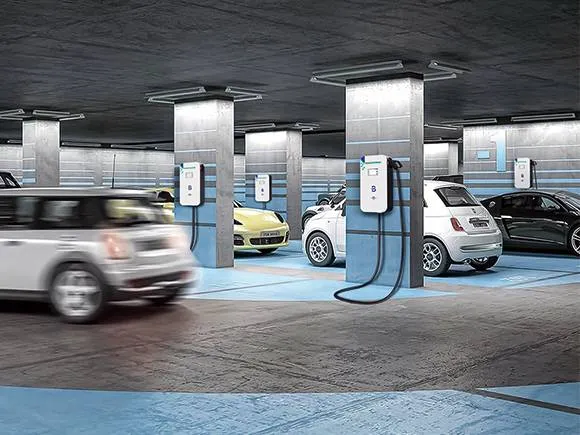
For many sites, the plan starts with buying hardware and ends with surprises. That’s why EV charging stations for commercial properties must be scoped beyond plugs and paint. The first hidden pain point is demand charges. One lunchtime surge and your bill spikes for the month—funny how that works, right? The second is layout: if ports are placed without studying dwell time, you get blocked stalls and angry drivers. The third is vendor lock-in. Closed software can trap you, limiting upgrades and smart features later. Add in long lead times for utility upgrades, and a simple plan turns slow and costly.
Technical gaps add friction too. Without dynamic load balancing, a few fast sessions can trip limits. Without OCPP support, you can’t mix brands or switch platforms. Power converters sized for peak, not average, waste capex. And poor cable management? It breaks connectors faster than you think. Look, it’s simpler than you think: design for behavior first, then power. Map dwell patterns, apply phased capacity, and use smart metering to smooth peaks. You’ll cut queue time, reduce OpEx, and make the site feel modern—because predictability is the real premium in parking.

Looking Ahead: Smarter Systems, Clearer Wins
What’s Next
The new playbook leans on technology principles that make electricity act more like software. Edge computing nodes sit near the chargers to make split-second calls on who charges when, so the grid never takes a hit it can’t handle. ISO 15118 enables Plug & Charge, which kills card-fumble headaches. OCPP 2.0.1 keeps your options open, so you can add or swap gear as you grow. Even better, predictive maintenance flags a failing connector before it ruins someone’s morning. When you choose a commercial EV charger, think modular: scalable power modules, smart queuing, and APIs that play nice with your parking system—because the lot should feel seamless, not stitched together.
Here’s how to compare solutions in the real world—without getting lost in specs. First, measure uptime you can enforce: insist on an SLA that includes field repair time, not just cloud status. Second, calculate total cost of ownership across five years: hardware, software, networking, demand-charge mitigation, and field service. Third, check openness: verify OCPP compliance, energy management features like peak shaving, and support for future standards (V2G isn’t mainstream yet, but planning for bidirectional power now reduces rework later). Do this, and your site will charge more cars with less chaos—and your drivers will just plug in and go. That’s the goal, after all. And if you want a reference point as you compare vendors, keep an eye on frameworks and partners like EVB—your best picks will stand up to that kind of benchmark.