Introduction
Fast charging can be the single biggest operational lever for fleets — it changes routing, shifts capital needs, and alters driver schedules overnight.
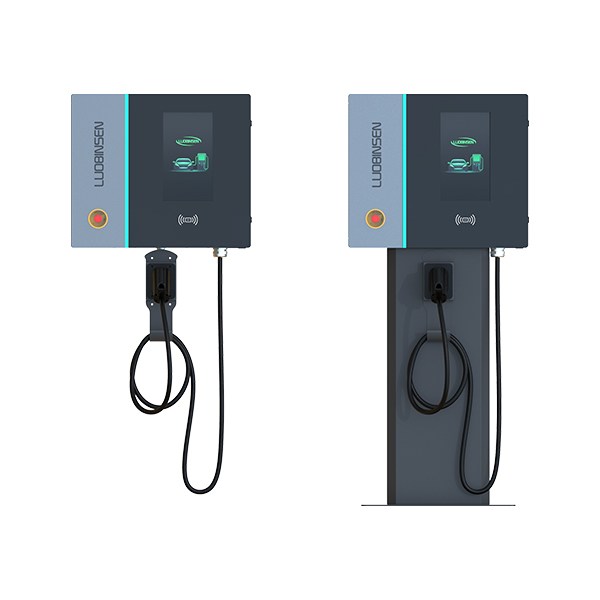
Consider a depot with 50 vans: upgrading to a modern dc ev charger can reduce average recharge time dramatically and improve vehicle availability by noticeable margins (I’ve seen it cut dwell time by nearly half in real projects). So what metrics should you track to be sure an investment pays off?
I’ll walk through the scenario, share pragmatic data points, and pose the right questions you need to ask before you sign a purchase order. This is financial English but not dry — we’ll keep it practical and grounded. Next, let’s examine where common approaches stumble and what that costs you in real terms.
Why Traditional Charging Solutions Often Miss the Mark
dc wallbox ev charger systems promise speed, but many installations fall short because designers treat chargers like appliances instead of grid assets. I’ve watched projects pack a site with hardware and still fail to hit uptime targets. The result: idle chargers, frustrated drivers, and deferred routes. Industry terms matter here — think power converters and battery management systems (BMS) — because they determine how gracefully a system behaves under real load.
Technically speaking, a lot of failures trace back to three root issues. First, insufficient grid planning: chargers draw high peak power and without proper load management, you either trip breakers or pay hefty demand charges. Second, poor integration: if the charger firmware doesn’t match your fleet management system or OCPP profile, charging schedules and state-of-charge reporting break down. Third, mismatched hardware: a charger’s peak kilowatt rating is only part of the story — thermal design, DC bus stability, and power electronics quality impact performance and lifespan. Look, it’s simpler than you think when you focus on those elements early in procurement. For fleets, these are purchasing blind spots — and they cost time and money.
Is the problem installation, software, or hardware?
Short answer: often all three — but they fail in different ways and at different times. I tend to prioritize grid and software alignment first, then match hardware to operational profiles.
New Principles for Faster, Smarter Charging
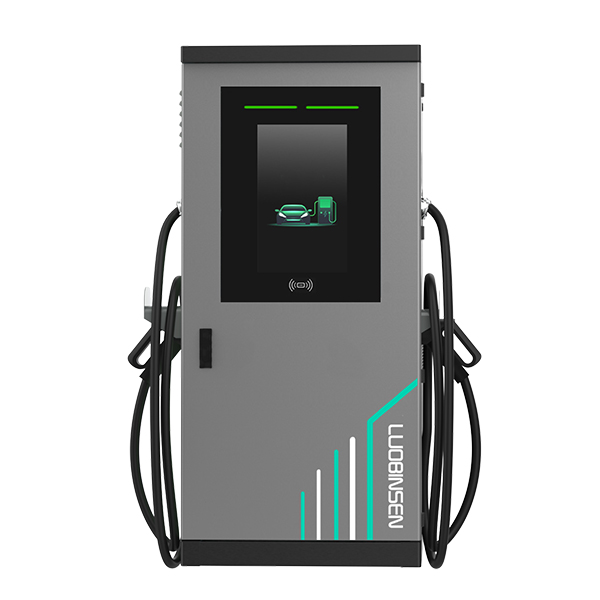
Now let’s look forward. Modern approaches treat chargers as active nodes in a distributed energy system. That means designing around software-defined charging, vehicle-to-grid readiness, and adaptive power allocation. When we talk about an ev dc fast charger, we shouldn’t only care about peak kW; we should evaluate how it manages ramp rates, supports peak shaving, and communicates with both the BMS and energy management systems. These are the new technology principles that make charging predictable, cost-effective, and resilient.
I want to be practical here. Start by demanding visibility: real-time telemetry, session logs, and predictive maintenance alerts. Next, insist on flexible power control — dynamic load balancing or clustered chargers that can share power without manual intervention. Finally, require firmware openness or at least reliable APIs so your telematics and depot software can orchestrate charging intelligently. These steps reduce downtime and lower operating costs — funny how that works, right? — and they future-proof your investment for battery advances and grid services.
What’s Next for Fleet Charging?
We’re moving toward sites that think, not just power. Chargers that coordinate with on-site solar, battery storage, and demand-side management will dominate. I recommend evaluating vendors on three clear metrics: operational uptime under peak load, integration quality (APIs and OCPP compliance), and total cost of ownership including demand charges and maintenance. Those are measurable; you can test for them in pilots. If you run a pilot, design it to stress the system — high throughput, overlapping sessions, and simulated grid events. You’ll learn fast.
To wrap up: ask the right questions up front, insist on software visibility, and match hardware to real usage patterns. I’ve seen teams flip from reactive firefighting to calm, scheduled charging with those steps. It takes work, but the upside is tangible — lower costs, happier drivers, and more dependable routes. For practical solutions and hardware options, consider partners like Luobisnen.