Introduction: Defining the New Meeting Baseline
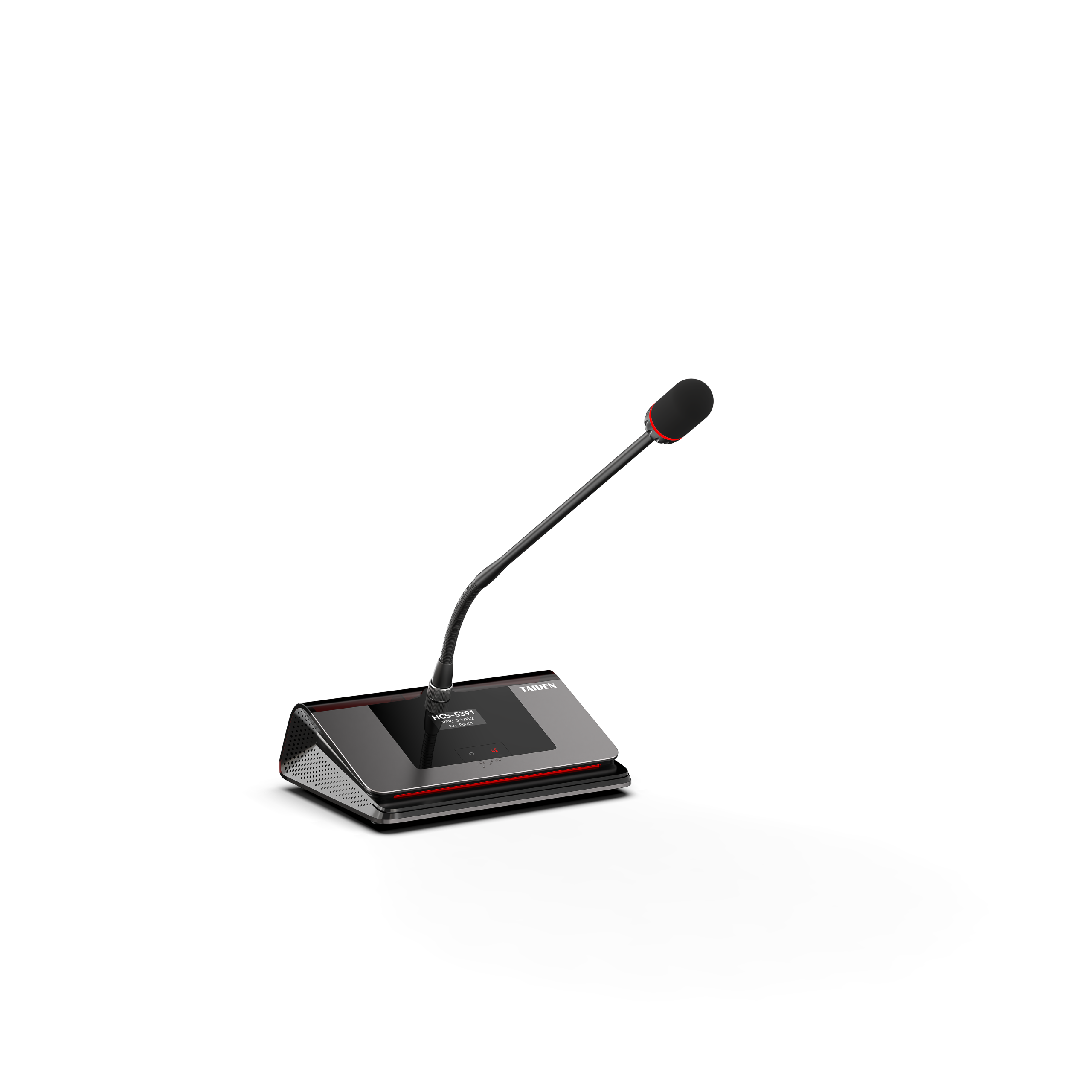
Clarity is not a luxury in meetings; it is the baseline. In today’s hybrid rooms, a wireless conference system now sits at the center of the collaboration fabric. Picture a boardroom where three local participants and seven remote peers try to decide a budget in 30 minutes. In that space, the wireless conference microphone is the first and most critical interface. Data shows more than half of enterprise meetings now mix on-site and remote attendees, with speech intelligibility as the strongest predictor of outcome. The technical roots are simple to state: stable RF spectrum use, a controlled latency budget, and acoustic echo cancellation that does not “pump” under stress. Yet rooms are dynamic—chairs move, laptops roam, people turn away from capsules. When quality drops, decisions slow. That is cost. The question then becomes: what design choices prevent drift under load, and which create it (often quietly)?
In this guide, we use a comparative lens. We map everyday meeting behavior to system behavior and show how small choices scale. Next, we interrogate the pain points that sabotage confidence—and how to defuse them.
Hidden Frictions Users Don’t See—Until the Meeting Starts
Where do users really struggle?
The first friction is gain discipline. Users speak at different levels, and seats change. If the capsule pattern and DSP do not cooperate, the result is either clipping or “hunting.” Beamforming helps, but only when paired with a stable jitter buffer and a sensible latency target. Look, it’s simpler than you think: set a clear gain structure, then let adaptive AEC handle echoes without chasing every cough. When networks get crowded, QoS matters. Without it, packets wander, and duplex audio collapses under talk-over. That is why small delays feel big. The brain is harsh on lag.
A second friction is interference that looks like user error. Devices enter the room. A phone tethers. A hotspot wakes up. An OFDM link with good error correction can ride through this, but not if the RF floor is already high. MIMO diversity helps in motion, yet poor antenna placement erases that advantage—funny how that works, right? Finally, hand hygiene of the sound path gets ignored. People cover grilles. Power converters add a faint buzz. The fix is practical: clear mic ergonomics, deterministic channel planning, and monitoring that surfaces faults before anyone hears them.
From Pain Points to Principles: A Forward-Looking Comparison
What’s Next
Two principles now separate robust systems from fragile ones. First, signal integrity under change. Modern arrays blend beamforming with smarter noise suppression, using context to decide what not to pass. That means fewer artifacts when multiple voices overlap. Second, spectrum strategy. In dense venues, RF is a commons; you need coordination, scanning, and fast retune logic. In sensitive rooms, an infrared wireless conference system shifts the medium entirely. IR stays in the room, resists RF congestion, and reduces eavesdropping risk by design (line-of-sight still matters). Combine either path with edge computing nodes for on-prem DSP and you get predictable latency, even when the WAN jitters— and yes, that matters.
Consider a board meeting with media next door. RF mics compete with cameras and IFBs. IR avoids that clash and keeps audio local while maintaining intelligibility through disciplined AEC and calibrated time alignment. In contrast, a well-engineered RF system offers mobility and larger coverage with agile frequency reuse and coordinated QoS. The takeaway is not “one wins.” It is match the medium to the risk profile, room geometry, and user habits. Summing up the arc so far: users feel quality as confidence; systems earn it through stable links, clean processing, and fast recovery from the unexpected. To choose wisely, apply three simple metrics: measure speech intelligibility (target STI ≥ 0.6 in occupied rooms), verify resilience (packet loss under 1% with talk-over and movement), and test agility (full setup and scan under 10 minutes with clear fault alerts). With that checklist, brands and models become easier to compare on outcomes, not adjectives—an approach well aligned with engineering practice at TAIDEN.