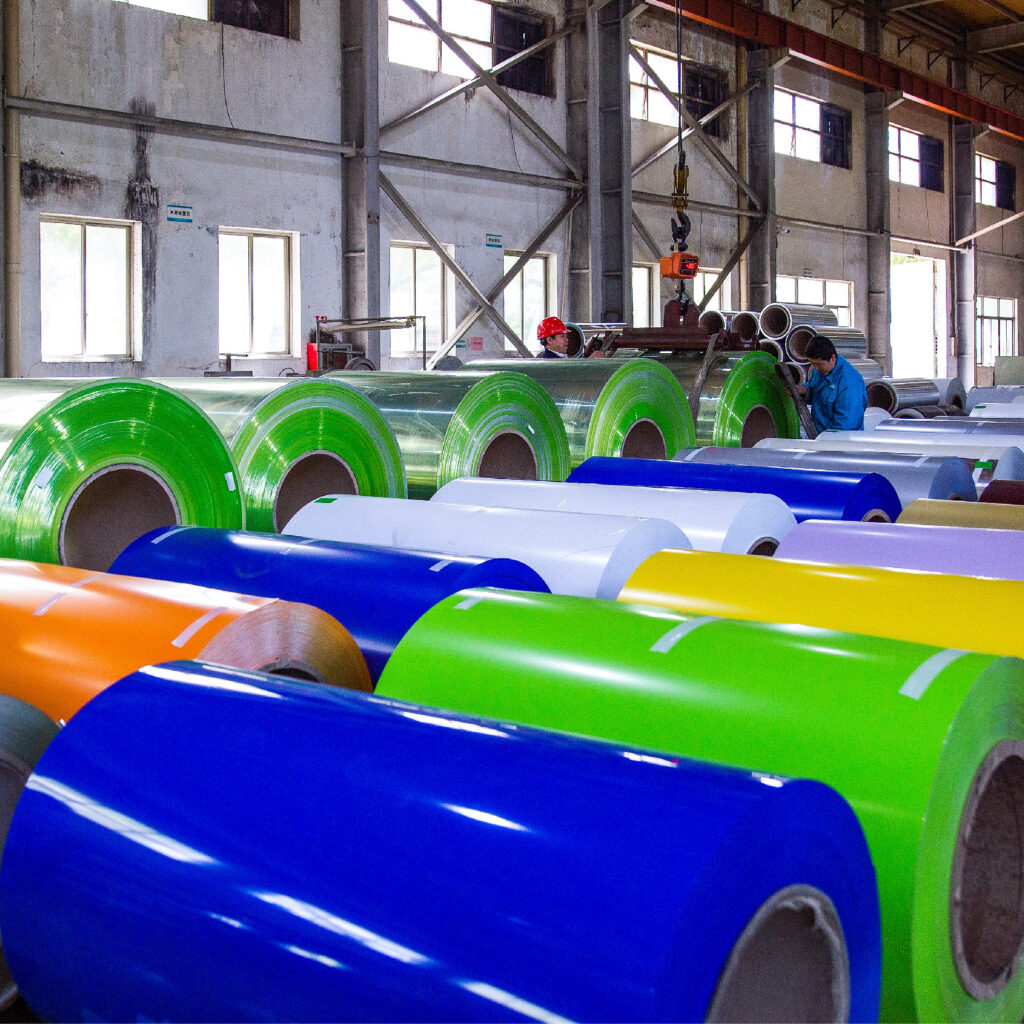
Introduction: Cutting Delays While Keeping Quality High
Time lost to colour mismatch is money left on the floor. Painted Aluminum Coil sits at the centre of many roofing and cladding jobs, from kiosks in Kisumu to estates in Nairobi. A small shop stops a roll-forming run, checks gloss again, and watches a two-hour slot vanish—plus scrap climbs by 3–5%. Reports show rework in metal finishing can eat 12–18% of monthly capacity, even when teams do everything “right.” So, what is missing? Often, it is how we compare options and hold painted aluminum coil suppliers to the same measurable standards (same light source, same gauge, same test). The question is simple: how do you keep output steady while getting consistent shade, gloss, and film thickness? We will look at where things go wrong, then put newer methods side by side with the usual fixes—step by step, sawa? Let us move to the deeper issues that hide inside everyday orders.
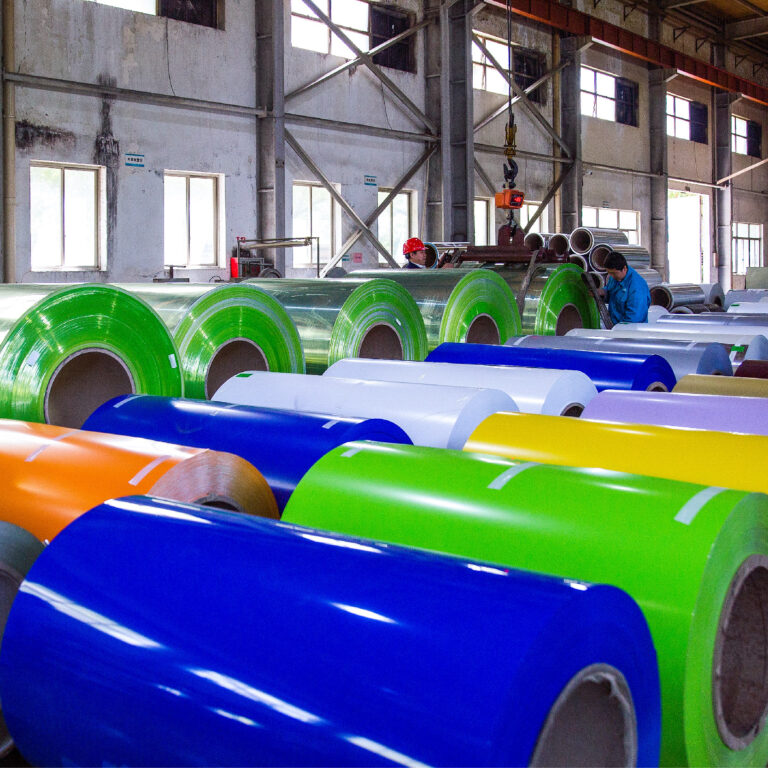
Hidden Pain Points When Choosing Suppliers
What keeps going wrong?
Look, it’s simpler than you think—until it is not. Many buyers assume a RAL code alone locks the colour. It does not. Without the same coil coating line parameters, colour drifts. Gloss units move 5–10 GU. Cure in the bake oven varies. Film thickness swings a few microns. Then roll forming shows the truth. Oil canning appears. Small bend radii crack the coating. These are not “bad luck” events; they are data issues. When painted aluminum coil suppliers do not share full test sheets—DFT, ΔE via colorimeter, and chromate or no‑chrome pretreatment—you fly blind. Add long lead times and big MOQs, and teams start mixing lots. That is when shade variation hits the facade—funny how that works, right?
There is more. Protective film can leave residue if the cure window was tight. Edges may have weak adhesion if slit width wandered off spec. Substrate gauge tolerance affects forming pressure, which affects micro-cracks. And paperwork lags. By the time a claim starts, your crew has installed 200 square metres. The old fix—“order extra and sort by eye”—slows the line and boosts scrap. It also masks root causes. A stronger approach compares suppliers on the same test rig and shifts checks upstream. That is where control begins.
Comparing What’s Next: Principles That Keep Colour True and Lines Moving
What’s Next
New practice is not magic; it is measurement plus timing. Modern coil lines run in-line spectrophotometers tied to edge computing nodes, so ΔE stays inside a live control loop. Power converters on the drive train keep tension steady, which protects adhesion at the bend. No‑chrome conversion coatings cut risk while matching or beating legacy chromate performance in salt-spray tests. PVDF resin topcoats bring UV hold; SMP systems compete on cost. And yes, IR-reflective pigments keep roofs cooler—good for site comfort. When you sample aluminum trim coil colors, ask for weatherometer data, not just a swatch. Side by side, this beats the “eye check at delivery” habit—by a mile.
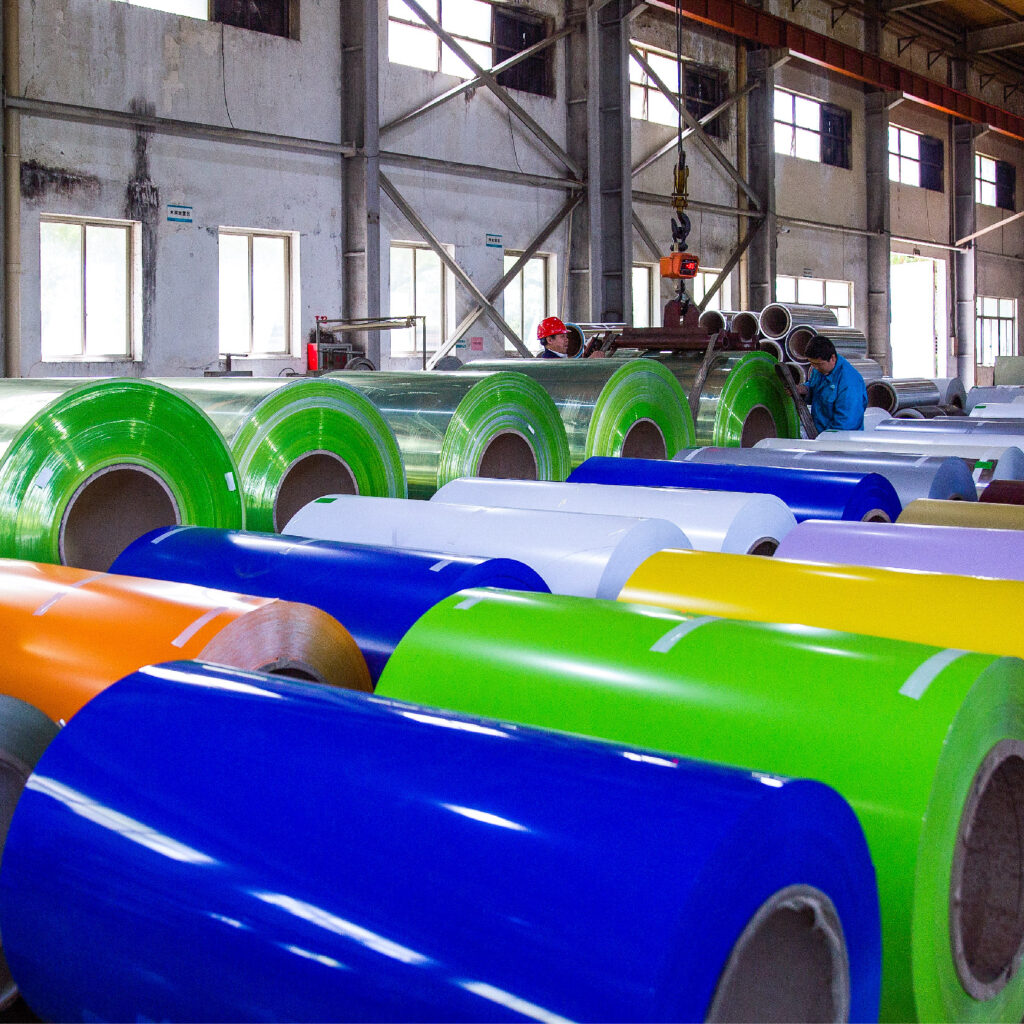
So, how do you use this on Day One? Set a comparative plan. One, define a light source and angle for every reading. Two, request batch-level traceability with barcodes. Three, verify cure with solvent rub and note bake-oven temperature profiles. Then, match forming tests to your smallest radius. Keep DFT targets tight. Record gloss units. When suppliers share digital certs, you spot drift before it ships. That keeps your line speed up, reduces rework, and lowers scrap. The insights are clear: measure upstream, form-test before bulk orders, and compare like for like—no shortcuts. Advisory close: track three metrics to choose well. 1) ΔE max under your target light (≤1.5 for high-visibility facades). 2) DFT variance across the coil (≤5 microns swing). 3) Bend performance at your tightest radius without micro-cracks. Keep those three green, and the rest follows—simple, but not easy. For reference and further reading, see yaret.