Introduction
I remember rolling into a windy rest stop at dusk with 11% left and a thermos of coffee. The EV fast charger by the diner looked free, yet every driver hesitated. Data later told me why: many sites promise 150 kW, but average delivery can dip to half when bays fill or heat rises. Add long queues, demand charges, and uneven uptime, and you get a quiet set of worries (some folks won’t say it out loud). So what do we measure, and what do we ignore? As a retired engineer, I’ve learned to ask simple questions about rectifiers, thermal management, and power converters—then look at how people actually charge. The human part matters, too. Do we want speed, or calm predictability? Can we have both?
Let’s unpack the less obvious friction, and how it shows up on real sites—then see where the industry is headed next.
Under the Hood: Traditional Fixes and the Real Friction
What’s the hidden snag?
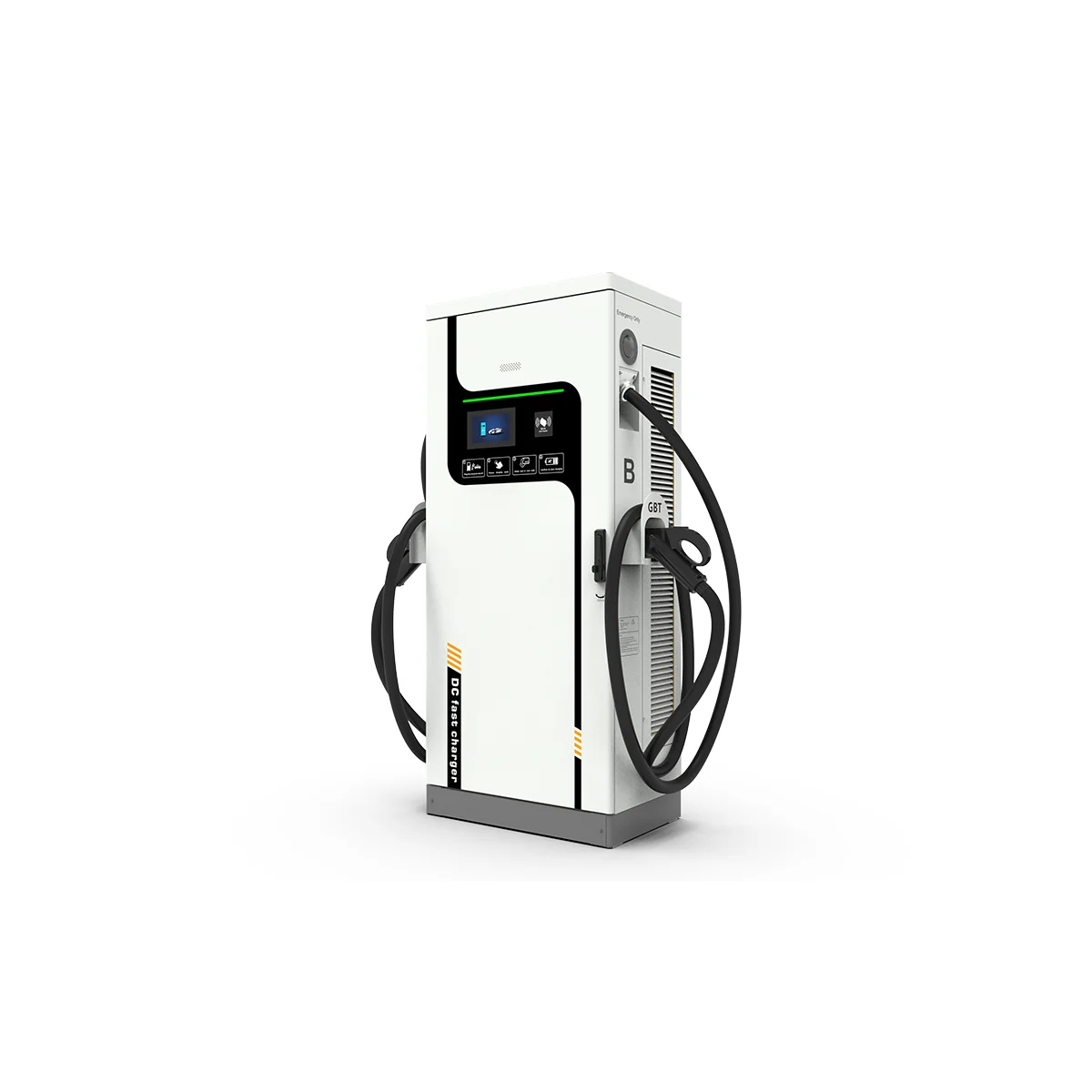
Many sites try to “solve” peak hours by stacking more cabinets and oversizing the feeder. In practice, the Electric vehicle fast charger 8100 sits at the center of the plan, but the plan itself may be the problem. Old layouts push all load through one big rectifier block, then split it with simple contactors. When two bays pull hard, limits kick in. Heat rises. The control loop throttles. Users see falling kilowatts at 55% state of charge—funny how that works, right? Demand charges spike, too, because the whole site ramps at once. Even stout power factor correction cannot hide the cost curve when queues surge. Look, it’s simpler than you think: single-path power makes for single-point pain.
A second flaw is slow, siloed control. Traditional software polls chargers in seconds, not milliseconds. Without local edge computing nodes, the system reacts late to cable temp, bus ripple, or line sag. Thermal management fights back, but the throttling feels random to drivers. Add fleet vans on tight windows, and frustration grows. OCPP links help with monitoring, yet they can’t fix the physics if power modules share load poorly. The result is uneven delivery, more wear on modules, and support calls. People blame the box they can touch, but the real bottleneck sits upstream in topology and timing.
Next-Gen Principles: Smarter Flow, Cooler Heads
What’s Next
The new wave flips the script. Instead of one big path, power gets sliced into modular shelves and shared in real time. Silicon carbide stages cut switching loss, so the cabinet runs cooler under stress. Dynamic load sharing lets each bay sip or gulp as the pack needs, not as the cabinet guesses. That means steadier power in the 20–80% band and less thermal throttling on hot afternoons. You also see faster ramp-on after a plug-in, thanks to tighter control loops and better bus design. Models in the same class as fast charging stations for electric cars 880 already point this way—distributed brains, lighter cables, and smart derating that feels fair to everyone in line.
Then comes the site brain. Edge controllers score each session using queue time, grid price, and pack temperature—tiny decisions, made fast. ISO 15118 Plug & Charge removes card fuss. Firmware coordinates with utility signals for grid balancing, shaving peaks without flat-out refusals. When weather swings, liquid cooling manifolds keep connectors steady—no more surprise drop-offs near the end of charge. The payoff is quiet: fewer support tickets, smoother curves on the dashboard, and drivers who simply plug in and walk for coffee—no drama, just predictable speed.
How to Choose with Confidence
Pick with a clear yardstick. First, verify delivered kWh per hour from 20–80% state of charge across real weather (25–35°C, rain or shine), not just nameplate kW; ask for logs that show stable output under two cars at once. Second, model total cost of power with demand-charge mitigation: look for dynamic load sharing, peak shaving modes, and evidence of reduced monthly peaks—your utility bill will tell the truth. Third, check resilience and openness: uptime SLA above 98%, hot‑swap power modules, OCPP 1.6/2.0.1, and ISO 15118 for seamless sessions—small specs that prevent big headaches. Keep it human, too. Cables should be easy to handle; UI should be clear; support should answer fast—funny how the “soft” parts decide whether people return. In the end, the right fast charger is the one that keeps power steady, costs steady, and temp steady. If you need a neutral place to start comparing and learning, you can always review solutions from Winline and map them to these metrics.