Introduction — Why this matters to you
Why we still mek the same choices when new options a deh? I often ask dat when I see projects stall because folks pick the wrong motor or controller. An electric motor is more than a label on a spec sheet; mi seh it straight — it shapes efficiency, cost, and the whole user experience (trust me, I’ve seen mounts get redesigned at midnight). Recent shop numbers show units with poor matching can waste 10–30% extra energy and cause early failures — suh, what we missing?
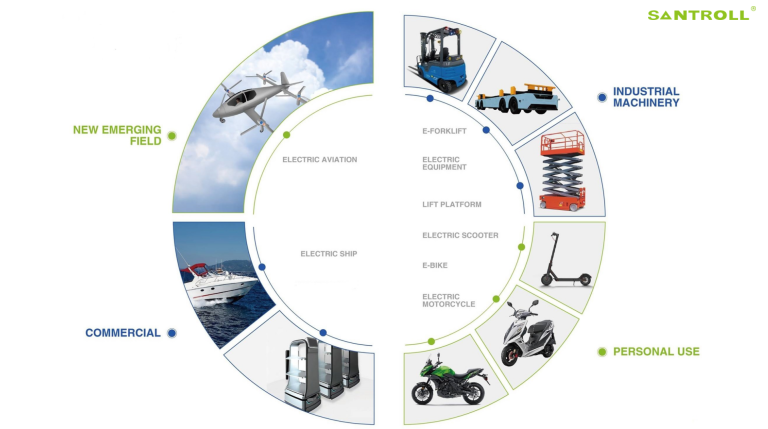
Mi approach is simple: look first at the job, then the motor type, then the control electronics. If you rush the order, you pay later with downtime and extra inverter or power converter costs. So we’ll step through common traps and compare real choices — from small hobby rigs to larger propulsion setups. Next we dive into what really breaks (and why) so yuh can avoid repeat mistakes.
Deep dive: Why common fixes for brushless motor issues fail
I’ve worked with many teams who treat a brushless motor like a magic black box — swap it and problem solved. That’s rarely true. Technical limits like commutation timing, torque ripple, and hall sensor misalignment often get overlooked. In practice, the controller and the motor form a single system: mismatch them and you get overheating, audible vibration, or poor efficiency. I don’t sugarcoat it — these are avoidable, but only if you test the whole chain: motor, ESC (electronic speed controller), inverter, and load.
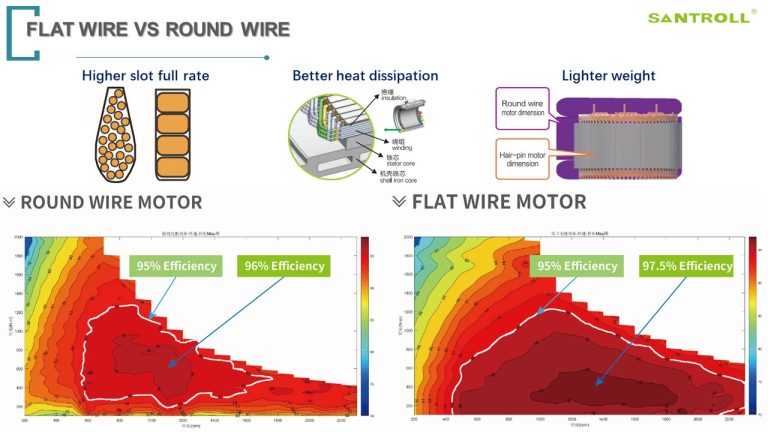
Look, it’s simpler than you think when you test properly. Start with a bench run to map torque vs RPM, then verify hall sensor timing and commutation logic. Many teams skip this and try higher-rated currents instead — which just hides the real issue and accelerates wear. I’ve seen bearings go in months rather than years because of that. Also, measure real-world load profiles; spec sheets lie if you don’t compare torque curves, rpm ranges, and thermal limits. — funny how that works, right?
Why do typical fixes fail?
Because fixes that address only one symptom (like adding cooling or upping current) usually ignore root causes such as mismatched gear ratios, improper commutation, or poor motor-controller tuning. You need to diagnose, not patch.
Looking forward: new principles and choices for electric boat motors
When I look ahead, I see the best gains coming from integrating motor, inverter, and system control — not picking parts separately. For electric boat motors, that matters more: water load changes, cavitation, and propeller dynamics shift demand quickly. New control approaches use adaptive torque control and finer commutation algorithms so the motor responds cleanly. We’ll compare old-school one-size-fits-all tuning to targeted tuning that matches prop load and RPM band. The payoff is quieter operation, better range, and lower current spikes. (Wait — here’s the kicker: sometimes a slightly larger motor, tuned properly, saves battery in real use.)
We should also look at modular power electronics: smaller, distributed converters can reduce losses and improve redundancy. That helps a lot in boats where weight and space matter. If you’re choosing a system, test it on-water or at least on a dynamometer with a prop simulator. Real-world testing cuts down surprises — and I say that from experience working through three prototype cycles where bench numbers never matched sea trials.
What’s Next — Practical steps for evaluation
When you compare solutions, use metrics that matter in the field. I recommend focusing on three evaluation points: real-load efficiency across the expected RPM band; thermal margin under continuous and peak loads; and control stability (measured as torque ripple and response time). Those three will show you if a motor-controller pair will last and perform where it counts. Also — don’t forget serviceability and parts availability; we all need a quick swap on a busy day.
To wrap up, I’ve learned to trust measured results over glossy specs and to insist on matched motor-controller testing early. If you follow these steps, you’ll dodge common pitfalls and pick systems that last. For practical options and support, check out Santroll — they offer parts and guidance that helped me refine several projects.