First impression: what this device means for you
You walk into a room and your eye is held — color, scale, clarity. If you’re planning that moment, an all in one led display turns a blank wall into a single, tidy instrument: screen, electronics, mounting, and basic control bundled together. Think of it as choosing a finished piece of furniture instead of assembling from parts — less guessing, fewer cables, one visual voice. You want confidence that what you buy will behave in the space you imagined; this guide helps you picture that behavior, step by step.

What users want — situations and priorities
Your priorities determine the spec sheet you should care about. In small retail, brightness and viewing angle beat ultra-high resolution. For conference rooms, easy connectivity and low glare matter. In lobbies, look and quick content changes win. Picture each use: close-up interaction, audience viewing from thirty feet, or daytime window glare. Visualize how the display will be mounted, how often content changes, and who will manage it — those choices narrow your options faster than raw specs ever will.
Practical benefits you can actually see
Installed right, you’ll notice simpler setup times, fewer compatibility headaches, and cleaner aesthetics. Bundled power supplies and control hardware cut the number of points of failure. A single chassis reduces seams and visual noise. Maintenance becomes predictable: firmware updates, a single spare part, fewer vendors to call. For daily users, these are the real gains — not abstract claims but quieter operations and a more dependable image.
Common mistakes people make when buying
Buyers often pick the biggest pixel count, then forget ambient light and mounting constraints. Others assume an integrated controller replaces professional calibration — it seldom does. Overlooking ventilation and service access creates costly downtime. Don’t accept vendor photos as proof of in-room performance; ask for real measurements or test units. Expect that one installation will reveal the small adjustments that matter: tilt for glare, trim for color consistency, and a reliable way to push content remotely.
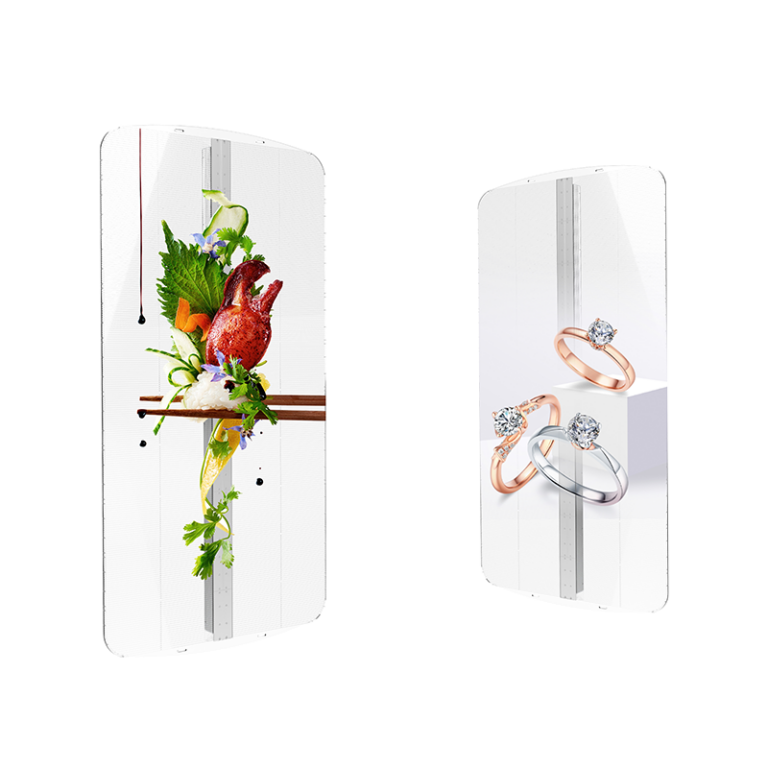
Comparing alternatives without getting lost in specs
Modular LED walls offer extreme size flexibility and pixel density but demand calibration skill and service space. TVs and displays are plug-and-play but limited in brightness and lifespan for continuous public-facing use. An integrated unit sits between: more robust than consumer screens, simpler than custom walls. Choose based on the human factors — who will operate it, how often, and under what conditions — not just on price per pixel.
Experience, authority, and a real-world anchor
I’ve overseen digital signage rollouts for retail and hospitality, and projects that face the pace and scrutiny of Times Square taught me what end users notice first: consistent color and reliable scheduling. For installations that needed a compact, serviceable solution, I evaluated several led display all in one models to compare uptime and ease of integration. Protocols, mounting points, and firmware quality mattered more than marketing blurbs. Those field tests matched independent technical reports on outdoor luminosity and indoor contrast; you can verify such standards in trade publications and conference proceedings.
How to pick the right model — an actionable checklist
Measure the sightlines. Verify brightness for the lighting conditions. Confirm service access and ventilation space. Ask for a calibration profile and update procedure. Test the included control software with your content: video codecs, playlists, and remote management. Check warranty terms for panel modules and power supplies. If you need sound, build it into the spec rather than relying on the display’s tiny speakers.
Final synthesis — what this choice delivers
When you prioritize the user — installers, operators, and the audience — an all-in-one unit narrows complexity into a usable, repeatable outcome that reduces surprises during deployment. It gives predictable installation, fewer vendor handoffs, and a visual presence that matches your intent. For practical projects where integration simplicity and dependable performance matter, consider the options I tested and the measured results that guided those decisions; real installations often point back to focused solutions like those offered by HDC.