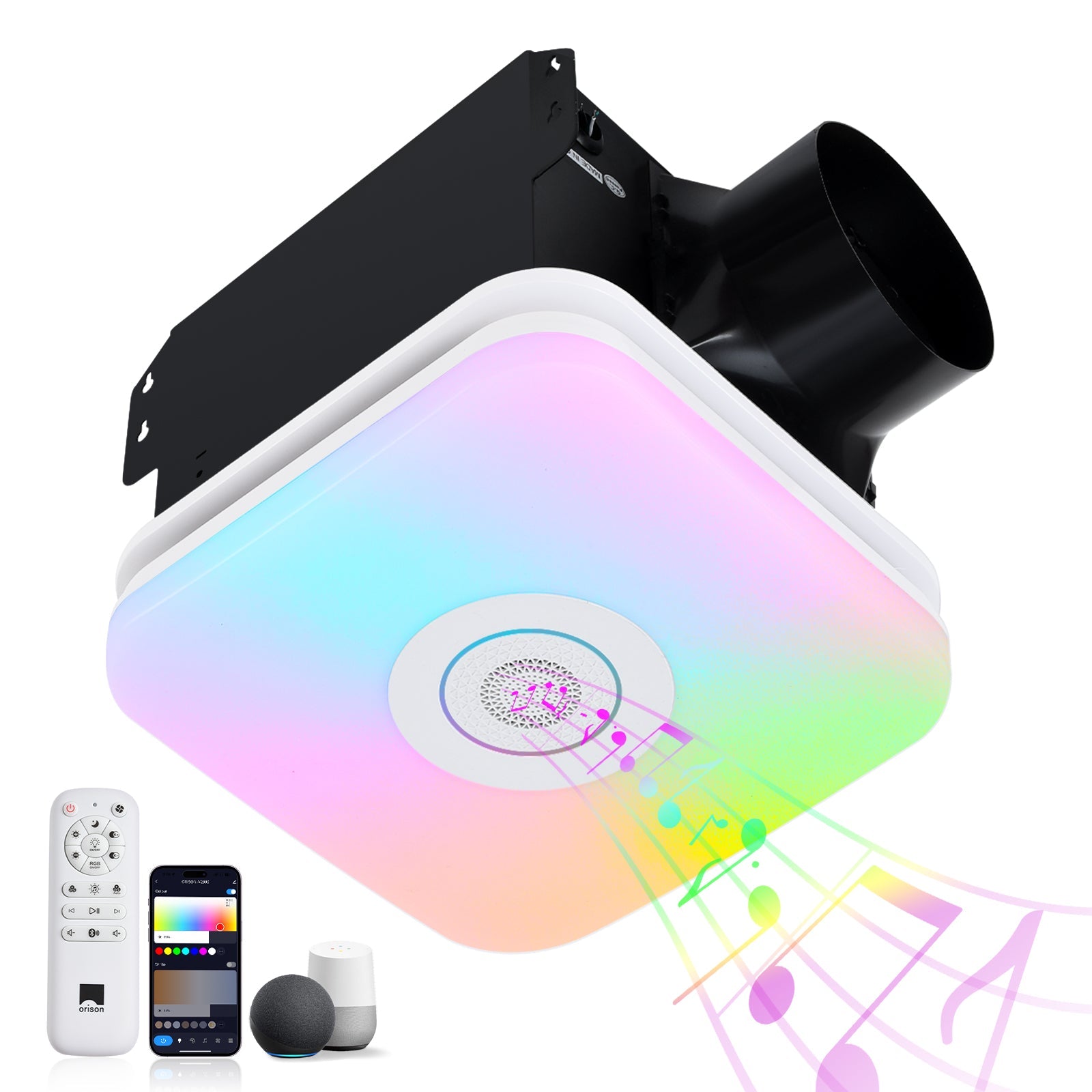
The problem: rising energy costs meet inadequate kitchen ventilation
Household energy expenses have become a pressing operational concern for many families after the 2022 European energy crisis demonstrated how quickly utility bills can escalate. In this problem-driven analysis I consider how modest equipment choices reduce consumption while preserving indoor air quality; one practical, immediate option is to deploy a targeted appliance rather than reworking whole-house HVAC. A common first step at the room level is to upgrade or supplement standard extraction — for example, many households evaluate a dedicated bathroom exhaust fan when addressing humidity and odour, and similar logic applies to kitchens where cooking loads generate heat, grease and moisture.
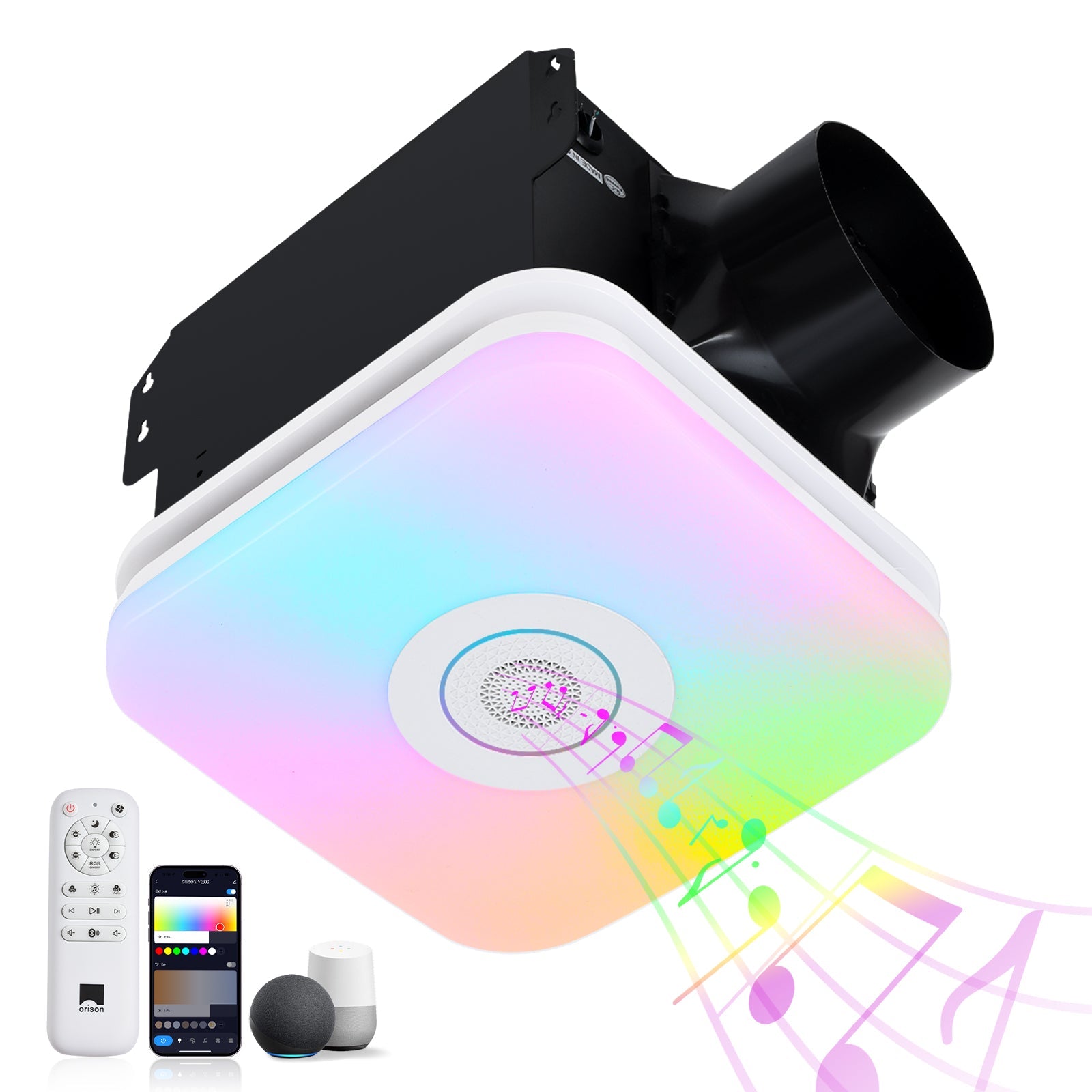
Why a portable range hood can be an energy-efficient response
Portable range hoods offer localized source control, which reduces the need for whole-home ventilation and thus lowers overall heating or cooling losses. When correctly selected, a unit with efficient blower design (axial fan or centrifugal, depending on ducting) and appropriate airflow (CFM) removes contaminants at their origin and shortens ventilation cycles. Energy is saved because less conditioned air is expelled through external ductwork and because many modern portable units operate in recirculation mode with advanced filtration (HEPA or activated carbon) to limit heat loss. Empirical experience in urban retrofits shows that targeted ventilation often yields measurable reductions in seasonal energy use when compared with continuous whole-house exhaust strategies.
How to evaluate a portable, eco-friendly hood
Evaluation must be systematic. Focus on three technical dimensions: airflow and capture efficiency (CFM and capture hood geometry), electrical draw per airflow delivered (Watt per CFM), and acoustic behaviour (sone rating). Consider also the filter type and maintenance schedule; an obstructed filter increases static pressure and thus energy consumption. Beware of common mistakes — for instance, assuming that higher nominal CFM always equates to better real-world performance: installation configuration, clearance, and mounting height influence capture more than raw flow numbers. — Practical testing on your own cooktop, using a simple smoke or incense test, will reveal capture performance far better than specification sheets alone.
Installation and operational best practices
Installation should be planned to minimize losses. If using recirculation, ensure the hood’s filters are correctly specified for grease and particulate matter; schedule replacement intervals in a household maintenance plan. For ducted portable units, minimize bends and length of ductwork to preserve effective CFM at the inlet. Set operating routines to run the hood at higher capture speed only during active cooking, then at a low continuous speed if necessary for residual odour control — this conserves energy compared with continuous high-speed ventilation. Periodic checks of seals and fan bearings reduce parasitic losses; a marginally noisy blower often signals declining efficiency.
Alternatives and trade-offs: portable hood versus fixed ventilation
There are three typical pathways to improved kitchen ventilation: full ducted range hoods tied into building exhaust, decentralized ceiling extractor systems that serve multiple rooms, and portable hoods intended for spot use. Ducted hoods generally provide highest capture efficiency for heavy frying but require significant installation and can increase heating/cooling losses when in use. Ceiling extractor units (often integrated with whole-room ventilation strategies) improve general air distribution but may dilute contaminants before removal. Portable hoods strike a balance — lower installation cost and targeted capture — yet they depend on correct placement and regular maintenance. The decision should follow an assessment of cooking patterns, installation constraints, and lifecycle energy modelling.
Advisory — three critical evaluation metrics for selection
1) Energy intensity (Watt/CFM): Measure or compare the electrical power required to move each cubic foot per minute of air; lower values indicate better energy efficiency. Seek units with efficient motors and low static-pressure penalties.
2) Capture efficiency at the source: Evaluate capture with a simple visual test (steam or incense). Verify that the hood captures both plume and peripheral emissions at typical pan positions; capture matters more than peak CFM.
3) Acoustic and behavioural compliance (sone rating): Noise determines whether occupants will actually use the appliance at effective settings. Choose units with acceptable sone ratings at practical operating speeds — otherwise energy-efficient designs offer no benefit because users silence them.
Applying these metrics in combination yields a clear selection pathway: select for low W/CFM, validate capture in situ, and confirm acceptable noise levels so that the device will be used as intended. For households seeking integrated, practical solutions that pair efficient extraction with smart home compatibility, Orison offers product approaches and system guidance that align with the energy-first logic of this roadmap. —