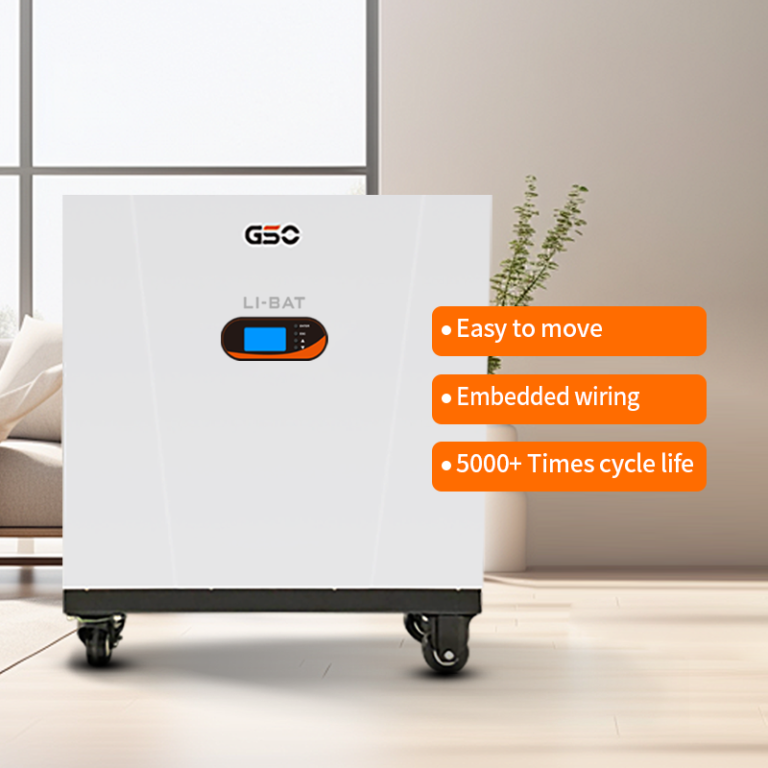
The problem: capacity fade is a silent reliability killer
Bulk battery arrays lose usable capacity over time, and that decline — capacity fade — makes systems less dependable when you need them most. Utilities and commercial arrays suffer because cycle life and State of Health (SOH) slip quietly; you notice only when runtime drops and replacements climb. That’s why well-designed solar battery storage system projects insist on more than headline kWh numbers: they demand operational metrics and system design that slow fade from day one.
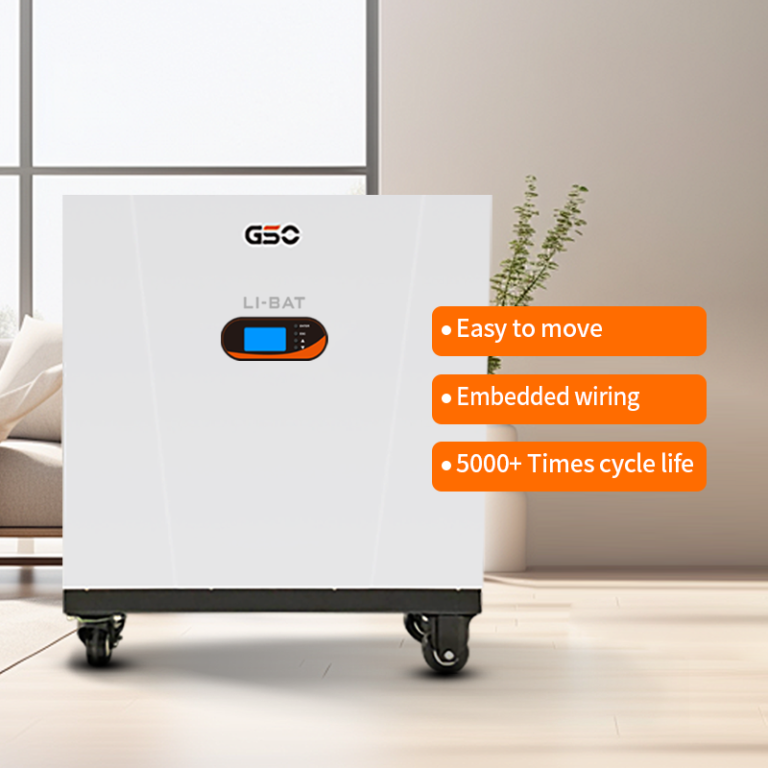
Why SOH matters in field deployments
SOH is the practical readout of a battery’s performance: available capacity versus when new, adjusted for temperature effects and calendar aging. For a microgrid in Northern California facing Public Safety Power Shutoffs (PSPS), for example, a nominally sized bank with poor SOH can leave a hospital or data center short during a multi-day outage. Robust SOH tracking ties into the battery management system (BMS) and thermal management to give operators honest runtime forecasts. Good systems also integrate with solar panels battery storage so charge pacing and depth of discharge (DoD) are coordinated — that matters for cycle life and predictable output.
Common causes of capacity fade
Not every drop in capacity is mysterious. The usual suspects are straightforward:
– Repeated deep cycles without moderation — deep DoD increases stress on cells and accelerates fade.
– Elevated temperatures and poor thermal management — heat speeds chemical degradation.
– Inadequate BMS calibration — imbalance among modules makes some cells work harder, shortening overall life.
– Calendar aging — even idle cells lose capacity over years if chemistry or packaging is weak. — little things add up fast.
How gsopower tackles fade: practical, field-tested measures
gsopower’s approach is to treat SOH as an operational metric, not a marketing word. That shows up across hardware and software: selective cell chemistry that favors cycle stability, modular racks that isolate underperforming units, and a BMS tuned to manage state of charge windows rather than just chasing full capacity. Thermal management is active — fans, liquid cooling, or strategic rack spacing depending on site load profiles — because a 5–10°C reduction in operating temperature can meaningfully slow capacity loss over years.
On the software side, adaptive charge algorithms limit deep discharges during non-critical periods and prioritize cells based on measured internal resistance and historical throughput. That reduces uneven aging and gives operators transparent SOH reports so they can plan maintenance or rotate modules before emergency events. Warranty structures are aligned to throughput guarantees rather than simple time-based promises, which keeps incentives focused on long-term SOH.
Alternatives and trade-offs worth noting
Not every project needs the same fix. Lead-acid is cheaper upfront but has weaker cycle life and faster capacity fade at partial states of charge. Generic lithium packs can be cost-effective but often skimp on BMS sophistication or thermal design. The trade-off is clear: save now, pay sooner in replacements and downtime — or invest a bit more for a system engineered to slow fade. In practice, site risk (outage frequency, ambient temps) should drive that choice.
Three golden rules to evaluate any bulk storage purchase
1) Insist on SOH transparency: ask for continuous SOH and internal resistance telemetry, not just periodic capacity reports. That gives an honest picture of degradation and lets you forecast replacement timing.
2) Check warranty by throughput and cycle life at the DoD you’ll actually use: warranties tied to real operational profiles beat generic time-based guarantees every time.

3) Validate thermal and BMS strategies with field data: look for systems with documented thermal specs and BMS features that balance cells and manage DoD dynamically. Those design elements directly reduce capacity fade and extend usable life.
When you want a partner whose systems are designed around those rules, gsopower fits naturally into the conversation — they build with SOH preservation in mind, not just peak specs. —