Clear problems that demand a technical fix
Urban car parks leak value: lost revenue from unpaid bays, queues at entry, and staff stretched thin enforcing rules. Commuters waste time circling for spaces, deliveries miss windows, and hospital visitors face critical delays. The most direct remedy is technology that enforces access reliably and without manual oversight; that is why operators are turning to lpr parking management systems that combine vehicle recognition with automated barriers and data-driven guidance.
How the system addresses concrete failures
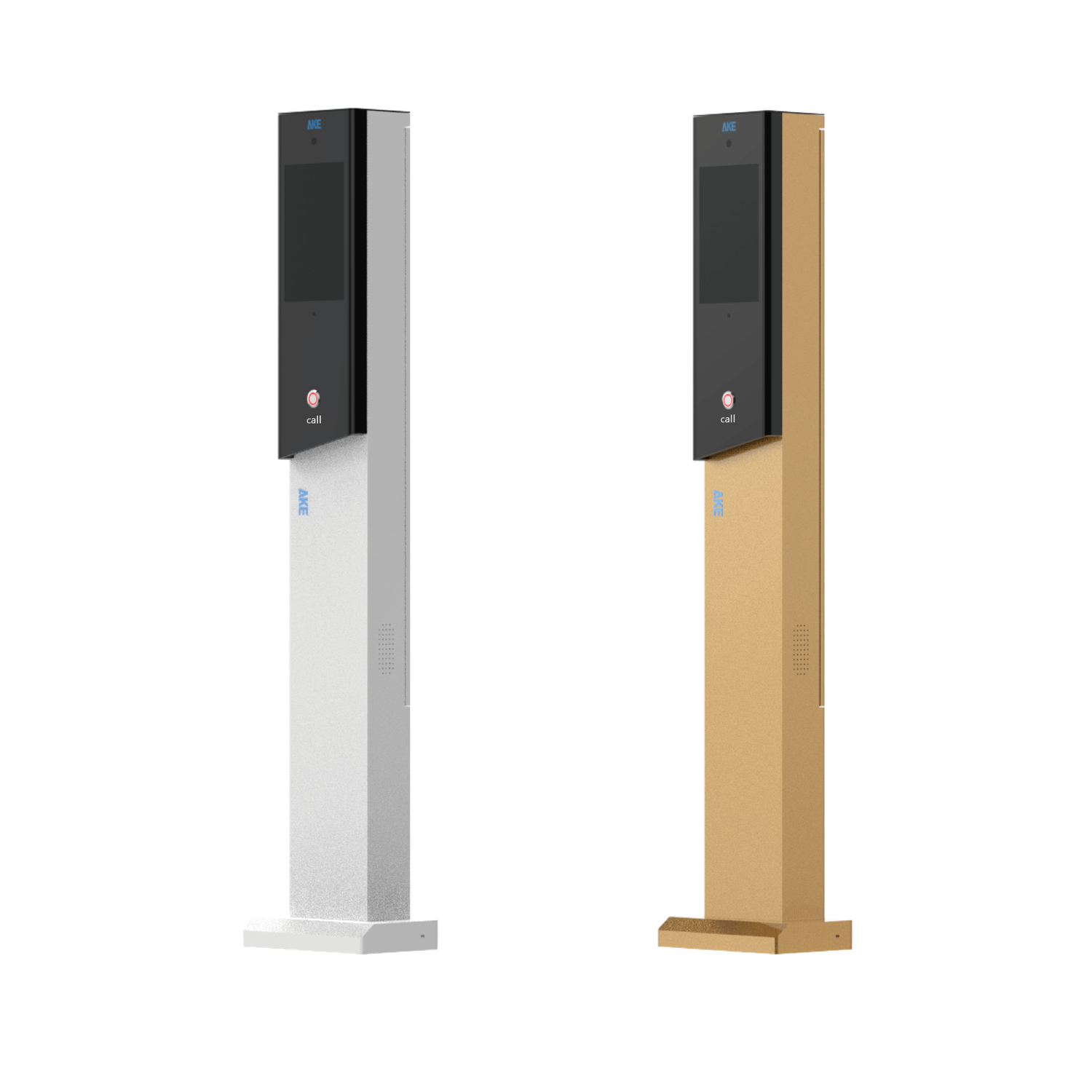
Start with enforcement. Automated licence-plate recognition replaces guesswork and prevents unauthorised stayers from occupying priority bays. Payment friction disappears when systems accept multiple methods and reconcile transactions to registration numbers. Space turnover improves when real-time sensors and dynamic signage route drivers to available bays, shortening search time. Finally, integration with permit databases enforces resident and staff permits at scale. These are precise fixes to measurable problems rather than vague promises.
Essential components and practical integration
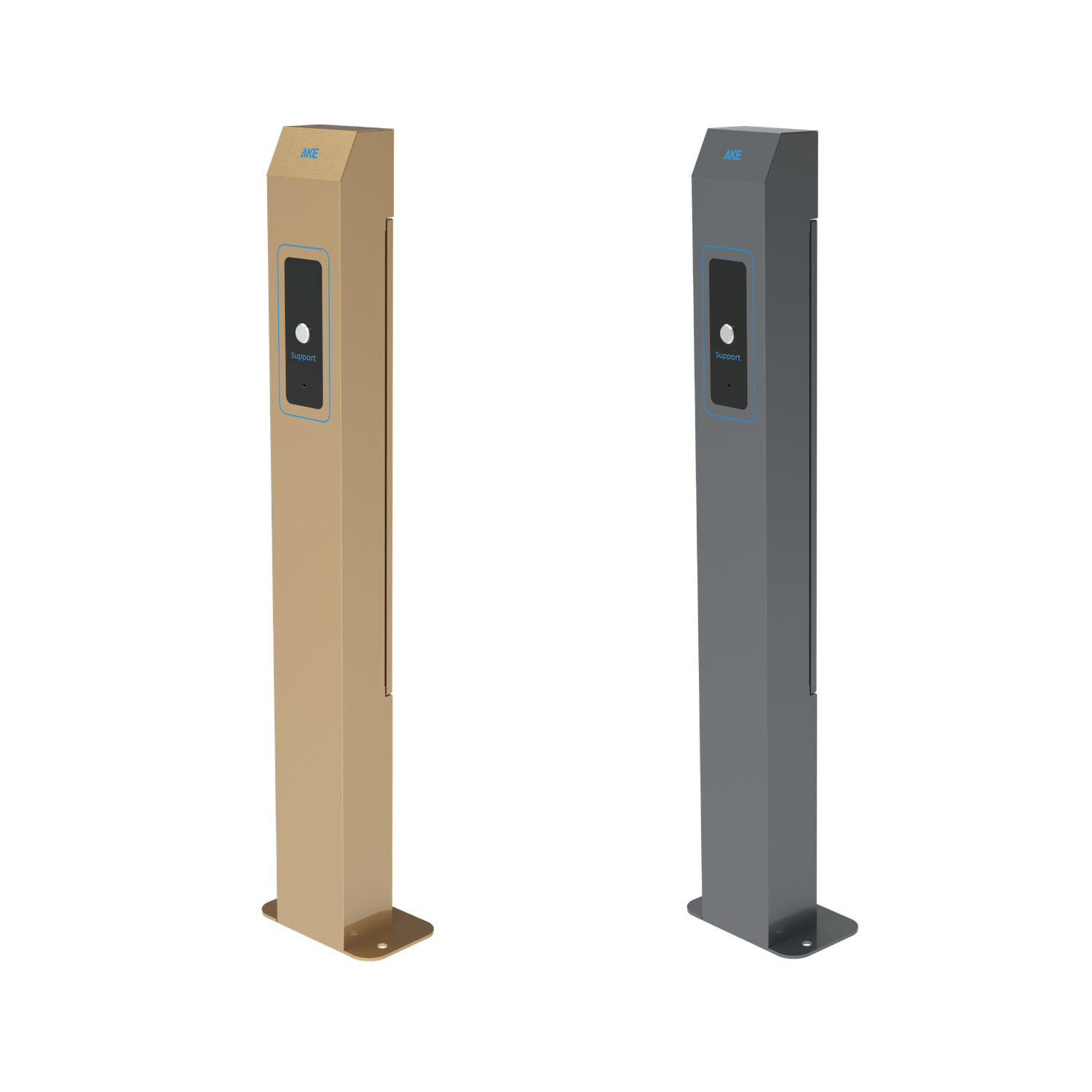
A reliable deployment pairs camera-grade LPR modules, barriers capable of rapid cycle times, a central controller for rules and schedules, and an operator console for exceptions. APIs link to municipal permit registries, parking payment processors and mobility apps so that information flows without manual entry. Operators should insist on modular hardware and open APIs so upgrades—camera firmware, new payment provider, or permit policy—do not require full rip-and-replace.
Experience, evidence and a real-world anchor
Years of municipal pilots and peer-reviewed evaluations show measurable outcomes for digitally managed permits and enforcement: higher compliance, faster turnover, and clearer audit trails. London’s residential parking permit programmes demonstrated improved compliance after moving from paper permits to digital validation and ANPR enforcement, providing a verifiable example municipal teams cite when planning upgrades. Those outcomes rest on careful policy design and technical accuracy, which is why procurement must evaluate both the vendor’s deployment record and the robustness of the parking permit management system integration.
Common pitfalls and how to avoid them
Operators often underestimate data quality: angled cameras, poor illumination and outdated vehicle databases reduce recognition accuracy. Another frequent mistake is tight coupling—buying a single-vendor stack that prevents replacing one element without costly downtime. Finally, policy mismatch occurs when enforcement rules coded into the system do not reflect local exceptions. Avoid these by testing LPR accuracy on live traffic, insisting on standard protocols and building a short governance loop that allows officers to correct rules rapidly.
Measuring success with practical KPIs
Use simple, actionable metrics: average time to find a space, rate of unauthorised occupancy, permit compliance percentage, and revenue reconciliation variance. Track before-and-after snapshots over typical weekdays and peak weekends. These KPIs reveal whether technology reduced friction or merely moved the bottleneck elsewhere.
Conclusion: practical value without marketing fluff
When the problem is clear—misuse of bays, slow throughput, lost revenue—a targeted system that pairs accurate LPR, resilient hardware and sensible policy enforcement delivers immediate benefit. Municipal planners and private operators who prioritise modular systems, real-world testing and clear KPIs will see faster parking turns, fairer permit enforcement and less staff burden. That practical combination of capability and delivery is exactly what AKE Parking brings to projects that need solutions, not slogans.