Introduction — a small scene, a big question
I was standing on a pier, watching a neighbor glide past in silence, and I thought: that used to be a rare sight. Electric motor systems are no longer curiosities; they now power a rising share of leisure craft and workboats — recent surveys show adoption jumping by roughly 35% in five years. What does that shift mean for usability, maintenance, and real-world performance in boats we actually depend on? (I ask because I care about practical choices, not buzzwords.) This piece will move from a quick scene to concrete problems and then toward what to look for next.
Part 2 — Where the old fixes fail
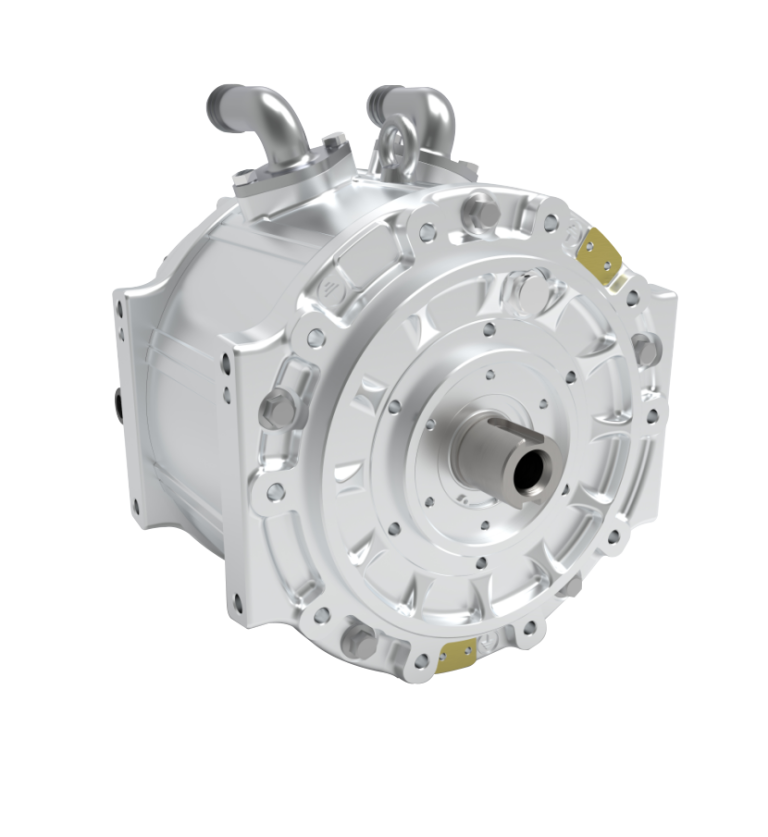
boat motors have changed a lot on paper, yet many installations still follow legacy thinking. I’ve seen systems built around heavy, under-cooled housings and weak controllers. The result: wasted energy, heat buildup, and unhappy owners. Technical terms matter here — brushless DC (BLDC) designs, inverter efficiency, and battery management systems (BMS) are not just jargon; they drive how long you can run, how quickly you recharge, and how much service you’ll need. Look, it’s simpler than you think: better controller tuning and a matched inverter can raise usable range by double digits.
Why does this keep happening?
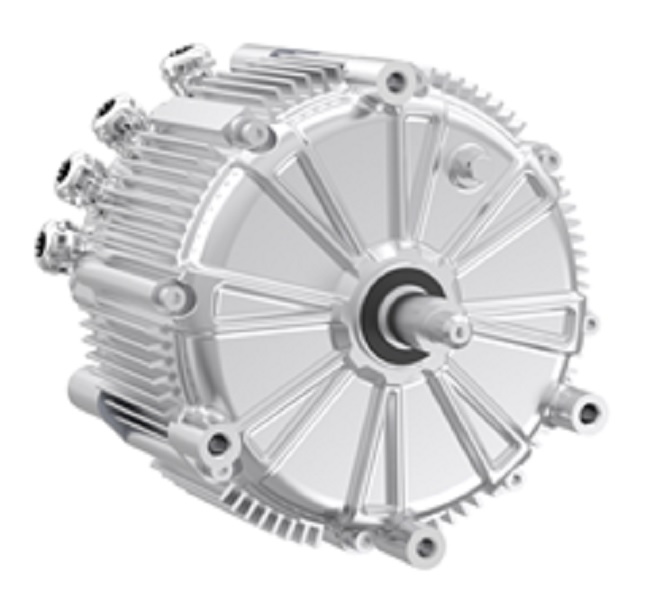
Many builders copy old mechanical layouts and then bolt on an electric drivetrain. That mismatch creates failure points: poor shaft alignment, mismatched torque curves, and heat that the original cooling plan never handled. I’ve sat with owners who told me their systems felt “fine” until a long day on the water drained the pack faster than promised — funny how that works, right? The gap is often process, not component. You can buy a high-torque motor, but without a matched power converter and a tuned propulsion controller, you won’t get the efficiency you expected. We must stop treating the electric part as an add-on and start designing propulsion as a system: motor, inverter, BMS, propeller, and hull all tuned together.
Part 3 — Case examples and future outlook
What changes when we take the system view? Consider a small ferry that swapped legacy diesel-belt drives for a cohesive electric package. The team selected motors by torque density and matched them to an inverter with advanced thermal management. They added a BMS that allowed controlled fast charging and regenerative recapture during docking maneuvers. The result: lower operating cost, quieter runs, and predictable maintenance intervals. This is not science fiction; I’ve seen it in mid-sized installs where careful design cut downtime and kept passengers calm. — short runs became longer. The lessons: integrate early, test in the water, and allow for thermal margins.
What’s next for electric boat motors?
Looking ahead, I expect more modular fleets and smarter diagnostics. Edge computing nodes on board (yes, small computers) will give operators live alerts about inverter drift or BMS imbalance. Designers will push higher torque density while using smarter cooling and better shaft coupling. Electric boat motors will pair with shore-side charging strategies and grid-aware power converters to smooth demand peaks — a real win for operators and the grid. We’ll see predictable run times, fewer surprise repairs, and clearer upgrade paths. — and that matters to people who run boats for a living, not just hobbyists.
Before I finish, here are three metrics I always advise teams to use when evaluating systems: 1) Net system efficiency at typical load (not peak), 2) Thermal headroom of motor and inverter under continuous duty, and 3) Lifecycle operating cost including battery replacements and service intervals. Use those, and you’ll make better choices. For practical parts and support, I often point people to vendors who back their hardware with clear specs and testing — like Santroll. I say this from experience: pick with data, test in real conditions, and expect the unexpected.