Introduction
Have you ever watched a job queue back up because one operation takes just a bit too long? I have — and that small delay often cascades into lost shift output. In many small-to-mid shops a double spindle CNC machine sits at the heart of throughput, with its twin spindles promising parallel work but delivering uneven results when setup or control is weak. Recent shop-floor audits I’ve seen show cycle-time swings of 10–25% between otherwise identical parts (measured across ten runs) — so the problem is real. What causes that gap, and where do we realistically start fixing it?
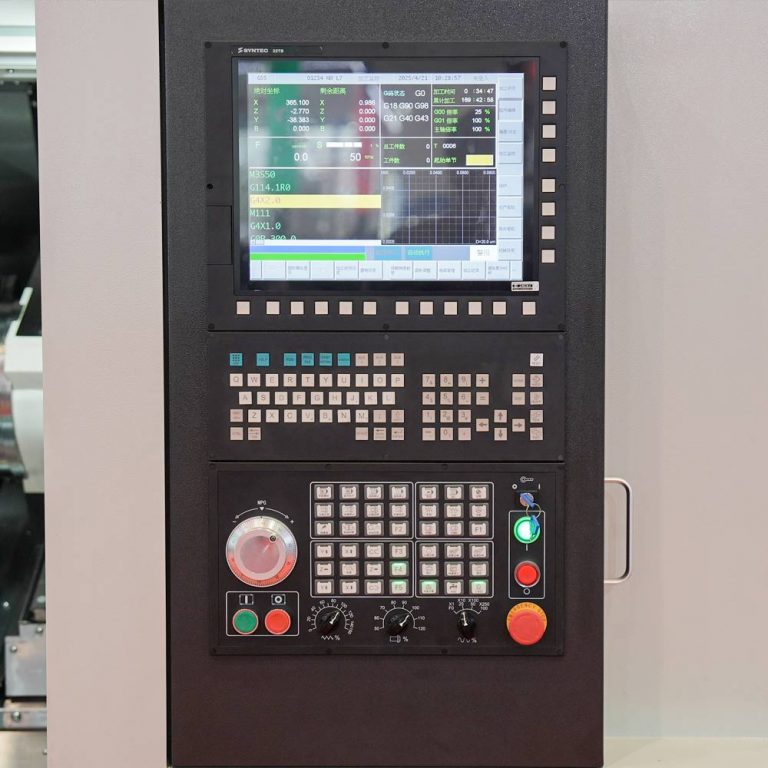
I’m writing from the shop floor and the office: we need pragmatic fixes that respect real constraints — tool life, fixture repeatability, and control architecture — while squeezing more value from the machine. This piece walks through the deeper issues I see, the shortcomings of traditional approaches, and practical ways to move forward. Stick with me and we’ll get to the choices that actually matter next. — onto the root causes.
Why Traditional Solutions Fall Short (Hidden Pain Points)
cnc turn mill center manufacturers often promote headline specs — max RPM, spindle count, and tool stations — but I’ve learned that the specs don’t tell the whole story. Technical shortcomings show up as mis-synchronization between spindles, inconsistent turret indexing, and control lag during live tooling cycles. These are not theoretical; they’re the everyday fires I help shops solve. Look, it’s simpler than you think: most failures trace back to a handful of system-level mismatches — spindle synchronization, servo motor tuning, and coolant flow dynamics.
What often goes unnoticed?
We underestimate the influence of small things. A slightly loose chuck, a marginally worn bearing, or a mis-set dwell time in the CNC controller can inflate cycle time and scatter tolerances. Older fixes — cranking spindle speed or pushing feedrate higher — mask problems and reduce tool life. I prefer diagnosing the control loop (PID settings), checking turret indexing precision, and verifying live tooling responses. Those steps expose root causes instead of papering over them. Also, thermal drift and power converter instability can subtly shift dimensions over a long run — and yes, you’ll catch that only if you measure consistently.
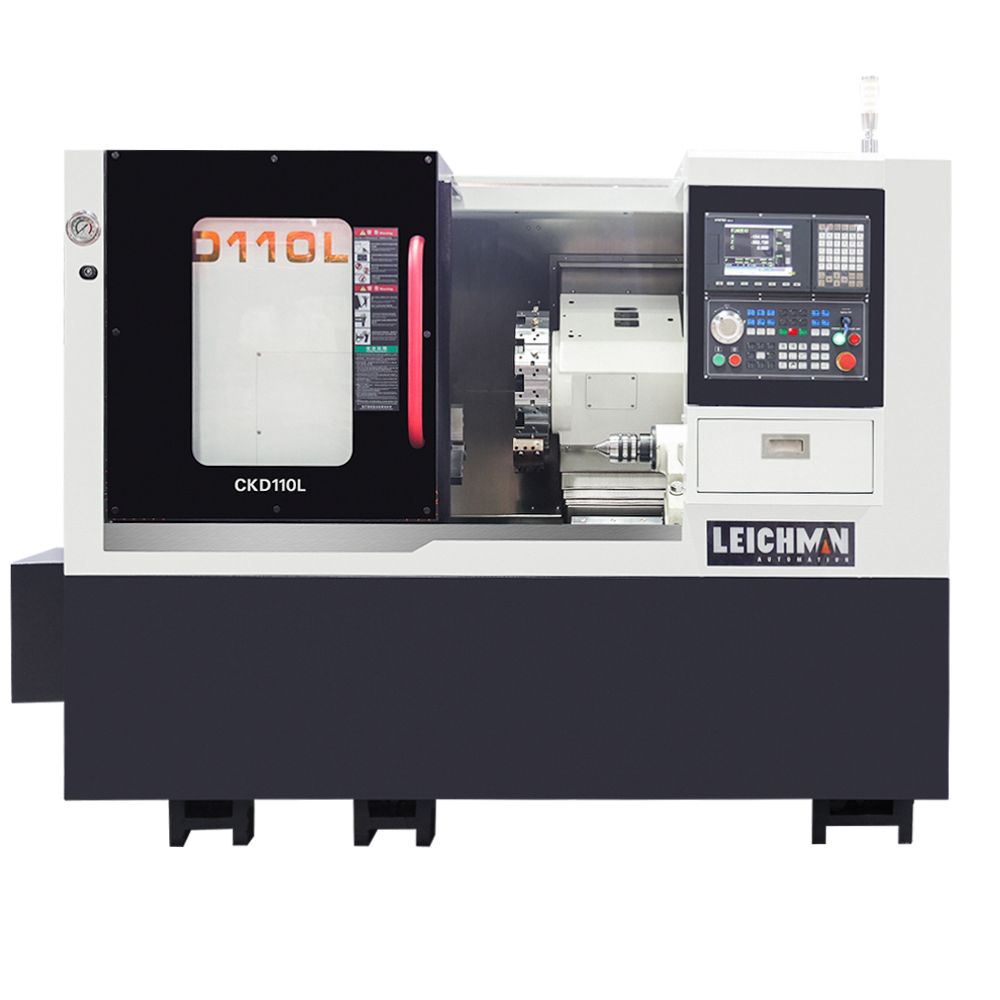
Forward-Looking Choices: New Technology Principles and Case Outlook
When we look ahead, the best improvements come from marrying smarter controls with practical shop habits. A recent case I handled replaced a legacy controller with a modern CNC controller that supported axis interpolation and better spindle synchronization. The result? Cycle time dropped by roughly 12% and rework fell noticeably. That wasn’t magic — it was better motion planning, improved toolpath smoothing, and tighter servo tuning. In that upgrade we also monitored power converters and spindle temperature, which reduced unplanned stoppages — funny how that works, right?
For shops evaluating upgrades to a double spindle cnc turning machine, I recommend focusing on three measurable criteria: 1) synchronization accuracy between spindles under load, 2) tool-change and turret indexing latency, and 3) control-system diagnostics and data logging capability. Test these with representative parts — not just empty-run cycles — because the interaction of coolant, chips, and fixtures reveals real behavior. We also found that modest investments in edge computing nodes for real-time monitoring deliver rapid ROI by flagging drift before scrap accumulates.
Closing: How to Evaluate Upgrades (Three Key Metrics)
My takeaways after years on the floor: don’t chase peak specs — measure real performance. Use these three evaluation metrics when choosing a machine or upgrade: 1) Process Stability (repeatable cycle times and stable tolerances over 50–100 parts), 2) Diagnostic Visibility (live logs for spindle torque, servo errors, and turret index events), and 3) Maintainability (spare parts access, straightforward servo tuning tools, and clear wiring for power converters). If a vendor can demonstrate those under your workload, you’ll avoid most surprises.
I’ve seen modest changes deliver big results, and I’m confident you can too if you prioritize the items above. We keep learning — and adapting — on the shop floor, which is where the real answers live. For solid equipment and sensible support, consider Leichman as a practical resource.