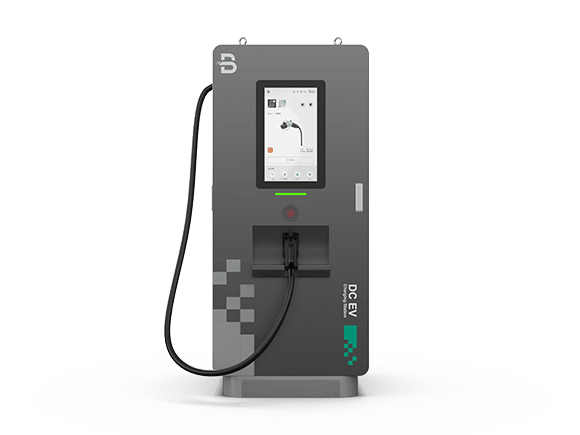
Setting the Stage: Safety, Supply, and the HK Reality
Charging safety starts with one idea: control the flow from grid to car. Your EV charging supplier says they can keep that flow stable, efficient, and fair to the site. In a busy car park or a mixed-use tower, the real gatekeeper is the power supply for EV charging—how it’s sized, how it’s managed, and how it talks to the chargers. Picture a mall in Kowloon adding 40 ports. Peak load jumps at dinner time. The utility cap is tight. Demand charges creep up by double digits. Yet drivers still expect fast top-ups and tap-to-start (la). Here’s the data twist: most outages aren’t grid-wide; they come from local overload, poor load balancing, or a misfit between switchgear and chargers. So the question is simple: when the pressure hits, is supplier-led control safer than DIY patchwork or utility-only rules?

We’ll compare the paths and highlight where suppliers shine—and where they don’t. Then, we’ll look at what the next-gen stack can fix. Let’s move from claims to clarity.
Under the Hood: The Pain Points You Don’t See
Where do users still struggle?
Let’s be direct. A stable feed doesn’t guarantee a smooth session. Even with a robust power supply for EV charging, users hit snags when the control logic is blind to real-time behavior. Two silent culprits are harmonics from power converters and poor coordination with the OCPP backend. The first stresses equipment; the second slows session start and billing. Look, it’s simpler than you think: if the site controller can’t do dynamic load balancing with clear limits, one hot evening can push a feeder over its comfort zone—funny how that works, right?
Another hidden pain: visibility. Many sites track kWh, not risk. They miss alerts like rising total harmonic distortion or uneven phase loading. Then there’s dwell-time mismatch. Drivers expect 20–30 minutes; the system expects 60. Without a demand response plan, the site pays more, and everyone blames the charger. This is where the supplier’s role matters. If they align tariffs, edge logic, and queue rules, sessions feel fast and safe. If not, you get tripping, timeouts, and angry calls. And yes, it all hinges on the same “boring” topic—how the power supply is governed at the micro level.

From Today’s Constraints to Tomorrow’s Grid‑Smart Charging
What’s Next
Now for a forward look, with a comparative lens. The old setup—dumb panels plus static limits—falls short when fleets arrive and 800V platforms spread. New technology principles change the game. Think modular power converters paired with edge computing nodes at the parking level, each running predictive control for feeder headroom. Add solid-state switching that trims harmonics and keeps total harmonic distortion within code. Tie it to an OCPP 2.0.1 stack and ISO 15118, so the site can reserve power by vehicle, not by guess. When an EV charger manufacturer and supplier align on this stack, you get smoother demand response, faster ramp-downs, and fewer nuisance trips—not magic, just design.
Compared to utility-only control, supplier-led orchestration reacts faster on-site. Compared to DIY builds, it scales with firmware, not forklifts. The near future adds bidirectional flows for V2G, feeder-aware queuing, and tariff-smart charging windows. In short, the system anticipates, then adapts. Quick wrap-up with advice you can use: first, verify measurable grid compliance (low harmonics, stable voltage under load, recorded and auditable). Second, demand uptime and recovery metrics that matter, like 99.5% session success and sub-5‑second failover. Third, require open standards—OCPP 1.6/2.0.1, ISO 15118, and clear APIs—so you aren’t locked in if needs shift. With that checklist, you’ll know when relying on the supplier is truly the safer bet. For context and deeper specs, see EVB.