Opening Scene: When Breath Meets Bone
You want your chest to open, not fight you. The wang procedure is changing how that happens. Picture a teen who skips sports because of a sunken chest, or an adult who hides behind loose shirts. Data says up to 1 in 500 people face this, and many report fatigue or shortness of breath. With modern pectus excavatum surgery, the goal is simple: restore shape and ease breathing. But the journey—scars, pain, recovery—can feel big. We ask the real question: Which method fixes the wall and respects the body’s balance? In dramatic terms, it’s bone, cartilage, and breath in one scene. In clinical terms, it’s hemodynamics, pain control, and biomechanics working together (yes, even the thoracoscope angle matters).

So let’s set the stage with clarity, not fear—what holds people back is not only the curve of the sternum, but the cost of older choices. Here’s the shift that makes sense, and how to judge it next.
Under the Surface: Traditional Fixes and Their Hidden Costs
Where do older methods fall short?
Older chest wall repairs often rely on heavy remodeling: cartilage resection, osteotomy, and long sternal stabilization. They can work, but they tax the body. Recovery drags when big cuts meet high tension. Nerve pain lingers if intercostal nerves are irritated. And analgesia protocols sometimes chase pain rather than prevent it. Margins of safety shrink when the plan is one-size-fits-all. Look, it’s simpler than you think: a repair should match your anatomy, not bend you to fit the tool—funny how that works, right? When implants are too rigid or bars sit poorly, biomechanics turn against you. The chest moves with every breath; the repair must move with it.
Another flaw is feedback. Traditional methods can lack real-time guidance. Without precise imaging or calibrated force control, the sternum may shift unevenly. That risks recurrence or asymmetry. Soft tissue trauma grows if the tunnel path is wide or poorly placed. And if perioperative planning misses posture, lung function, or rib elasticity, the result looks “fixed” but feels wrong. In short: less cutting, more control; fewer guesses, more signals. This is where refined techniques earn their name—and your trust.
Side-by-Side: What New Principles Change Outcomes?
What’s Next
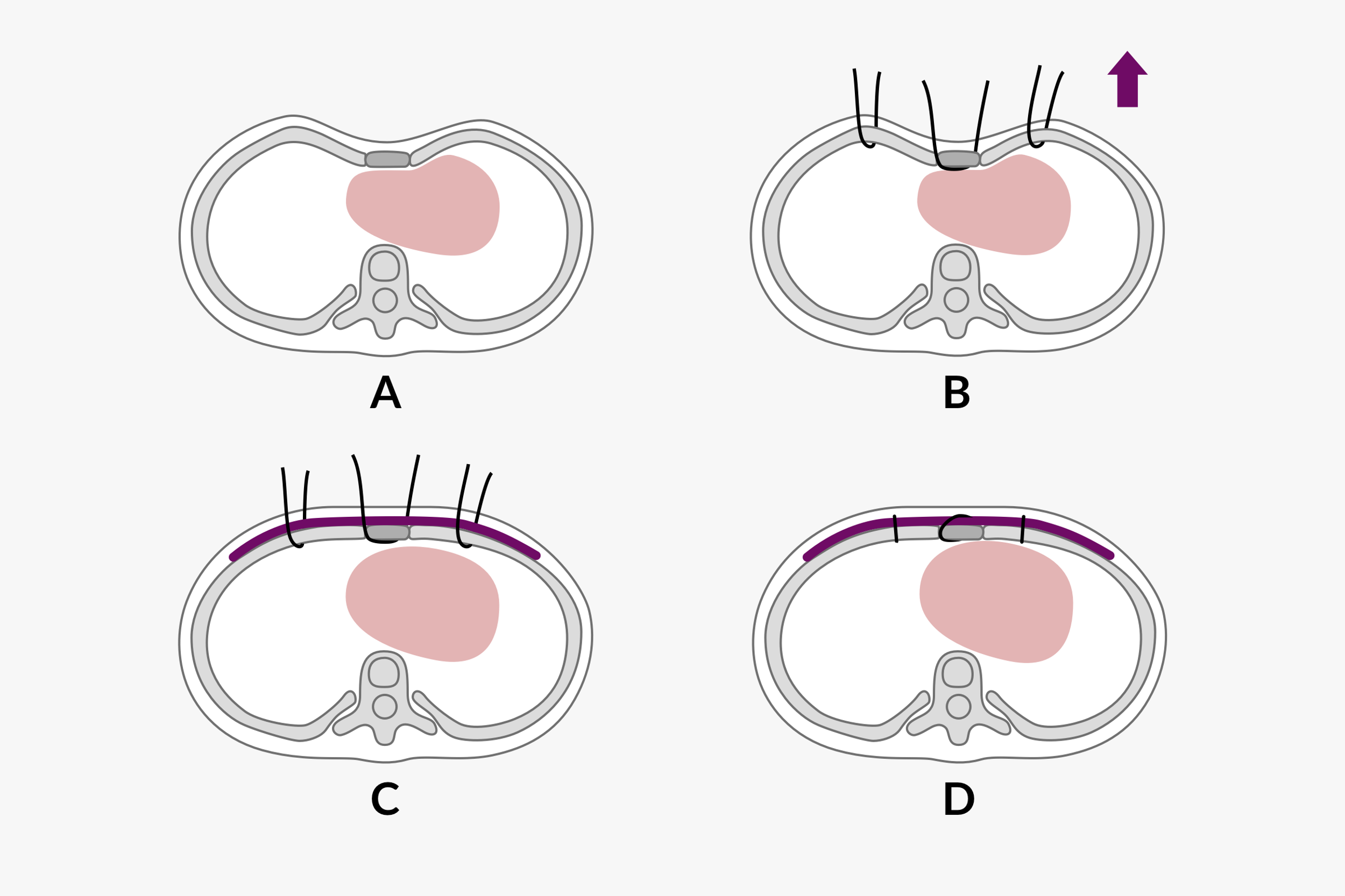
Modern approaches lean on three principles: minimal disruption, guided force, and smart pain control. Think smaller tunnels, exact bar contouring, and real-time checks of chest wall lift. The goal is stable correction with less tissue injury. When planning uses 3D CT reconstruction and intraoperative imaging, the surgeon can align the sternal bar to your unique curve. That improves symmetry and reduces stress on cartilage. Add precise regional blocks and improved analgesia, and the first 48 hours feel different. Pause—comfort is not a luxury; it’s the key to fast walking, deep breathing, and fewer complications. If you compare methods, you’ll see how guided correction beats brute force.
This is where the wang method lives: it pairs careful tunneling with controlled elevation and tailored bar design. It also respects motion—breath, cough, stretch—so the repair works with your body, not against it. For patients comparing paths to surgery for pectus excavatum, the contrast is clear. Less cutting often means less swelling. Better alignment often means better posture. And when pain drops, lung expansion grows. Not magic. Technique. And yes, the future points to more imaging guidance, lighter materials, and faster rehab timelines.
Choosing Wisely: Three Metrics to Guide Your Decision
Let’s boil this down to choices you can measure, not just stories. Use these three metrics to compare options and centers:
1) Functional gain: Track pre- and post-op changes in exercise tolerance and spirometry. Deep breaths matter. If your numbers don’t rise, the shape may be right but the function isn’t. 2) Pain days to baseline: Count days to comfortable walking, cough, and sleep without rescue meds. Shorter is better—and safer. 3) Precision score: Ask how the team plans bar contouring, imaging, and intraoperative checks. Look for 3D planning, targeted nerve blocks, and protocols that limit tissue disruption. Put simply, choose the plan that protects soft tissue, respects biomechanics, and speeds recovery. The ending is human, not technical: you want to stand tall, breathe easy, and forget you ever worried about your chest—because life moves on, and you should too. For deeper, practical details without the hype, see ICWS.